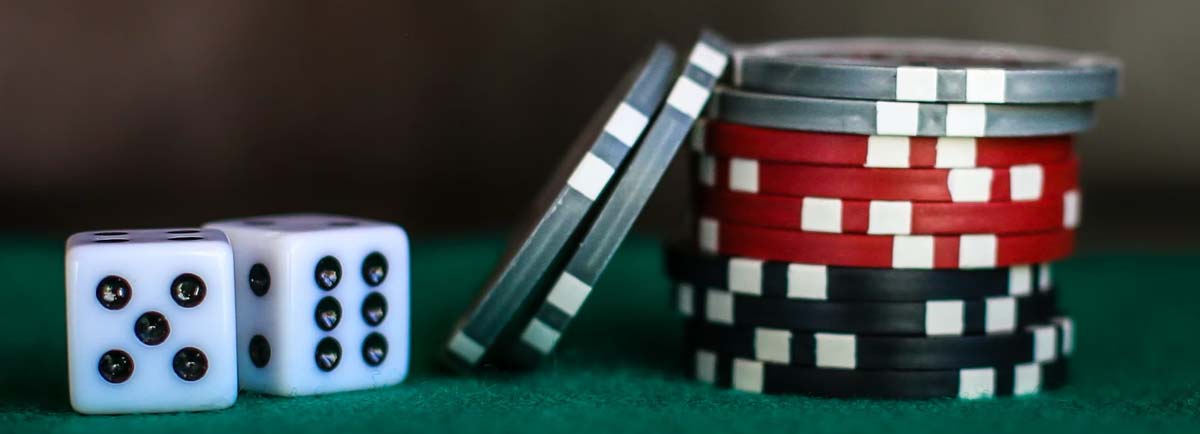
Whether it is desperate gambling on a single card or a straight game of Russian Roulette, the intersection of horror and gambling is cinematic gold. These films don’t just use the casinos as a backdrop; they use the psychology of risk to reflect the fragility of human survival. In movies (and in general as well), house it isn’t just a building. It’s might become an indifferent universe where the odds are almost always stacked against the protagonist.
The High Stakes of Horror
Horror often plays on the high-stakes environment of a high-roller lounge where one slip of the hand means your complete ruin. Just as characters in these films must calculate their chances of surviving a night in a haunted manor, seasoned gamblers know that finding the highest paying casinos is a critical step to ensure that the Return to Player (RTP) percentages are in their favour before they ever risk their bankroll. In both the cinema and gaming, being aware of the mathematical reality of a situation can be the difference between a clean escape and a crushing defeat. Filmmakers play off of this tension to the inevitability so that the audience feels the impact of every decision.
The adrenaline of a horror climax comes rather close to the sensation of a ticking clock in your face when you have a payout request. For players in the Southern Hemisphere, the frustration of waiting for a prize is a horror story in itself, which is why many look for a casino fast withdrawal nz to guarantee that their winnings are processed with lightning speed and sent directly to their accounts without any bureaucratic nightmares. This theme of “urgent survival” is one of the cornerstones of the genre. When the stakes are a matter of life or death, every second is crucial, and how fast the resolution takes place is the deciding factor of who walks away a winner.
13 Tzameti (2005)
This gritty, black and white thriller film is perhaps the ultimate “gambling horror” film. It follows a young immigrant who takes another man’s place to get inside a secret, underground tournament. He expects a highly paid job and ends up in a group of men who have to pay for a deadly game of Russian roulette. The horror here is not supernatural, but the sickening sight of the rich paying to watch the poor die desperately. It brings forward the dehumanisation of the “player” when it comes to being the commodity.
The Haunted Casino (2007)
Also called Dead Man’s Hand, this movie takes “inheritance” and puts it in an abandoned Las Vegas casino. When Matthew inherits his uncle’s old building, he finds that the ghosts of mobsters run the floor. Gambling motifs, spectral cards, ghostly dealers, and the “debt” of the soul, are employed by the film to build its scares. It implies that even in death, the game just never ends, and some debts are not repayable with cash.
The Menu (2022)
While fundamentally a social satire, The Menu is a game of high-stakes chance, in which the dinner guests are the pieces on the board. Each of the guests is a distinct “bet” the chef has made on human nature. The tension begins to build as the characters come to the realisation that they have gambled their lives for an exclusive experience. You can find an in-depth dive into the meticulous craft of the film in this review of the experience, which investigates how the “ingredients” of a narrative are just as important as the shocks. It’s a masterclass in psychological risk.
Funny Man (1994)
In the cult British horror-comedy, a record producer wins a sprawling mansion in a game of poker against a mysterious aristocrat played by Christopher Lee. The “prize” ends up being a nightmare with a demonic jester picking off the guests. The movie is a cautionary story about the “lucky win” that is too good to be true. It uses the poker game as a sort of literal gateway to hell, which proves that some wins are actually losses in disguise.
Leprechaun 3 (1995)
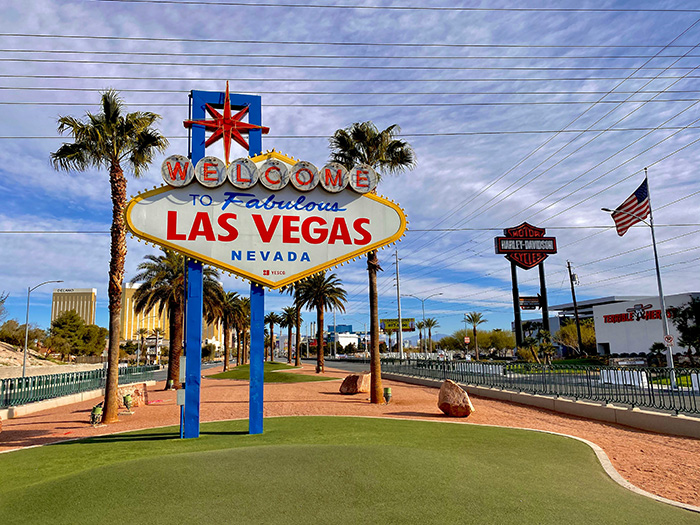
Moving the murderous creature to Las Vegas was a stroke of genius for this long-running franchise. The setting of a casino gives the leprechaun the chance to take advantage of the greed of the tourists. One of the more subtle elements is a “lucky” gold coin granting wishes with horrible, ironic twists. It is the perfect definition of the “Vegas Fever”, that one more spin will make everything OK, even though the walls are beginning to close in.
Remains (2011)
Based on a graphic novel by Steve Niles, this movie puts a bunch of people surviving a zombie apocalypse in a casino in Reno. The irony abounds: the survivors are surrounded by millions of dollars in chips and cash, which are now totally worthless. The casino becomes a fortress, but the psychological burden of being locked in a place that is meant for “escapism” makes for a special brand of claustrophobia. It makes the “pleasure palace” into a mausoleum.
13 Sins (2014)
A man who is in deep debt receives a phone call giving him the opportunity to become wealthy (in the millions) by completing thirteen tasks. Each task is more horrible than the previous one. This is the “escalating bet” in narrative form. The protagonist is a gambler that doesn’t realise he’s in a casino until he has already gambled away his sanity. Characters taking part in these “game-based” plots have a significantly lower survival rate than in traditional ghost stories because their own greed is their biggest antagonist.
The Final Bet
Gambling in horror reminds us that we are all at the mercy of chance. Whether it is a supernatural dealer or a deranged chef, these films control our primal fear of losing control. They teach us that the scariest thing isn’t a monster in the closet; it is the realisation that we took a chance, the dice came up badly and now we have to pay the price.
