The collective discordance of their plodding, lurching steps echoes off the tile of the hallway just beyond the safety of your locked office. Their moans and snarls narrate the shapes of their shuffling shadows playing against the opaque glass of the door. You have one chance to escape into the night to face whatever new obstacles this hellscape of the undead throws before you. Their shadows grow more faint in the frosted glass. Your moment is now. Crouched, you open the door without a sound and step into the hall with a footfall so light that, were there mist about, it would remain undisturbed.
The single, working, overhead light flickers in near syncopation with your steps, counting them down as you approach the heavy, steel, fire escape door. Five steps away. Four. Three. Two. The crash bar on the exit door is ice cold under your fingertips as you take one last breath before pushing it and escaping with your life. Only, it doesn’t open. Locked? Blocked? The clank of the metal echoes down the hall as the formerly subdued horde jolts in a single unified spasm, spinning around.
Their milky white, dead eyes lock on, all at once, before they charge. The twisted collection of flailing, grasping hands and gnashing teeth are upon you. You scream as they bite down and tear at your body, their fingers hooking into anywhere they catch. In that moment, your greatest fear of being in the thrall of a zombie horde was never about the certain brutality of death to be faced, it was about the loss of yourself. Your autonomy given over to the void only to rise as a mindless creature devoid of freedom, humanity and all but the instinct to kill.
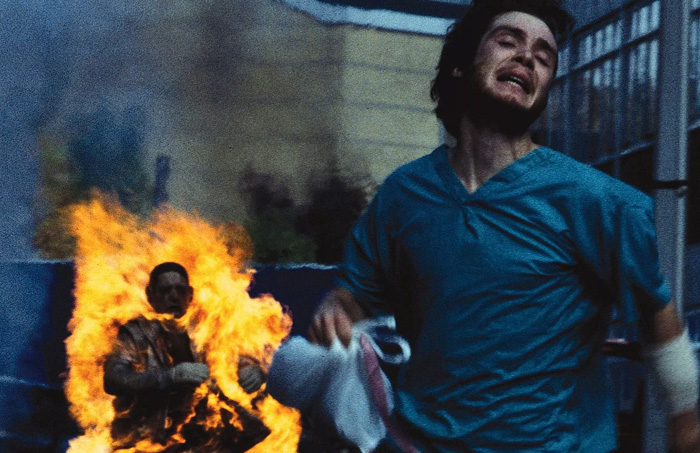
Over the past two decades, the zombie renaissance that began in the early 2000s has given rise to many new interpretations of what a zombie can be. From the fast moving, running infected of 28 DAYS LATER to the fungal infection afflicted zombies of THE LAST OF US, there has been a lingering debate in the horror community about whether these and other interpretations should even be considered zombies at all. Ultimately, aren’t all zombies just reanimated corpses that rise from the dead and feast upon the flesh of the living? My answer to that seemingly easy question is… not necessarily. I believe the question of what a zombie is has less to do with the nature of the zombie affliction and more to do with the function they serve from a narrative and thematic perspective.
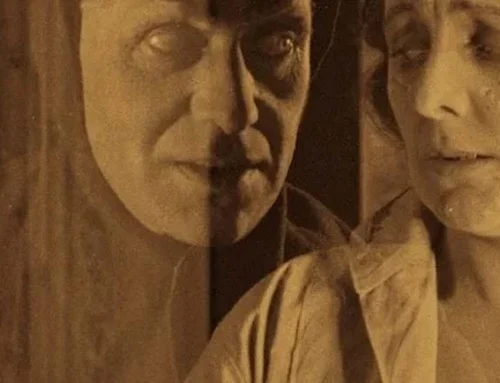
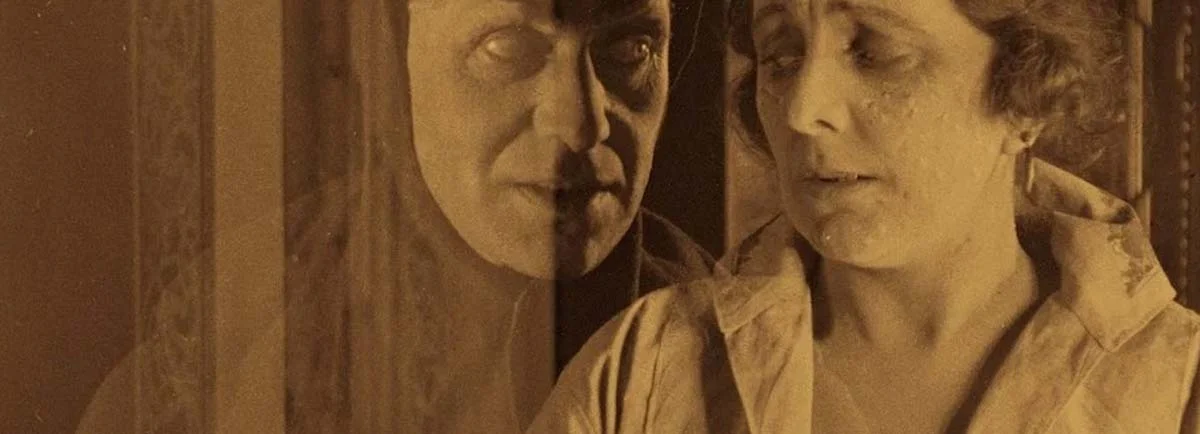
Although most horror consumers view the zombie genre as ‘the house that Romero built’, many are unaware that the idea of the zombie in film predates George Romero by nearly four decades. It was 1932’s WHITE ZOMBIE that many agree to be the first zombie movie. That film, and the films it inspired in the following years, conveyed a much different portrayal of the zombie. Their version was based on the Haitian concept of the Zonbi.
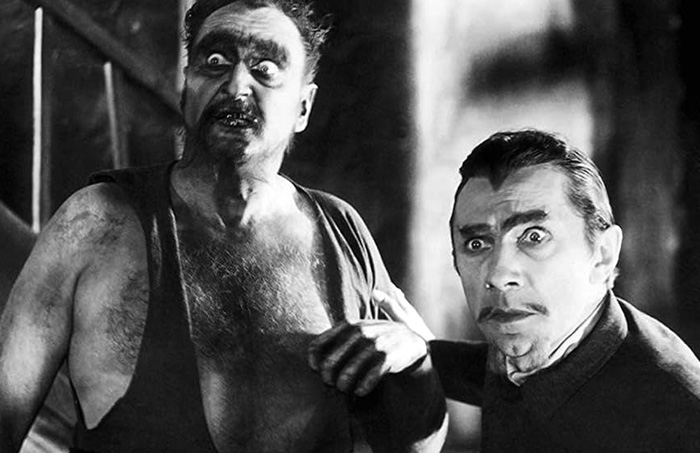
In Haitian folklore, a Zonbi is a soulless, yet living person, made this way by a sorcerer or Vodou practitioner known as a Bokor, for the purpose of joining the Bokor’s collection of personal slaves. While this version of the zombie differs from the interpretations popularized by the likes of George Romero and Lucio Fulci, the connective tissue is the idea of the loss of one’s autonomy.
With the Haitian Zonbi, the concept is very much rooted in the internalization of the horrors faced by enslaved Africans during the French Atlantic slave trade. The ideas of being stripped of one’s freedom and culture and, on the side of the enslaver, gaining strength and social status through the subjugation of others played a part in how this practice was incorporated into the Voodoo or Vodou practice.
When NIGHT OF THE LIVING DEAD was released in 1968, the world, and the United States more specifically, was much different than the world of 1932. The end of The Great Depression was the beginning of World War II. The end of the war marked an explosion of economic growth in the 1950s fueled by a cycle of production and rabid consumerism. The 60s was marked by the social division of the Vietnam War. Themes of mindless consumption and men sent off to fight and die on foreign soil would have been heavily on the minds of any 20-something of that era. George Romero was just 27 years old when he directed what would become the standard by which all zombie movies to follow would be judged.
In NIGHT OF THE LIVING DEAD, the theme of autonomy lost is carried over from zombie films prior but it is the explicit addition of death being the bridge to zombification that sparks the modern age of the reanimated corpse zombie. The TV-centric evolution of the American household ensured expedient dissemination of tragic news to the American people. The sheer brutality and scale of the carnage faced by our soldiers in Viet Nam showed us a more up-close and uglier view of the true carnage of war. The soldiers who survived returned with missing limbs, burns and other horrible disfigurements. Those who escaped with minimal physical injury were nonetheless saddled with emotional scars that led to drug and alcohol abuse and often suicide.
This was the climate in which NIGHT OF THE LIVING DEAD was created. Death was very much in the collective subconscious. Romero’s interpretation of zombies, even with their rotting contrasts of the original version, served the same thematic purpose and stemmed from the same spawning point as the zombies featured in WHITE ZOMBIE which was a reaction to real world, man-made human cruelty and suffering.
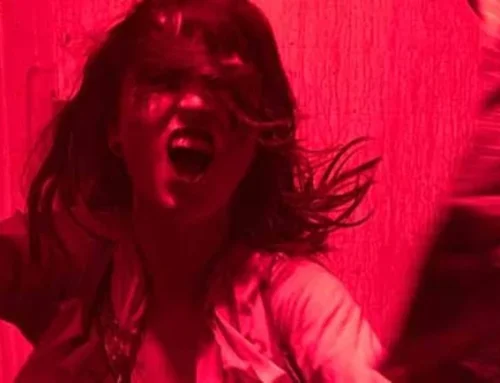
The bulk of zombie films that followed stayed on arguably the same thematic and aesthetic path aside from a few outliers like Romero’s own film, THE CRAZIES (1973) and David Cronenberg’s RABID (1977). Both of these films, incidentally, were simultaneously a return to the idea of living humans as mind altered zombies and also a precursor to 2002’s 28 DAYS LATER by Danny Boyle and Alex Garland, which expanded upon the idea of a viral cause for the zombification of living hosts and also ushered in what some refer to as the Zombie Renaissance.
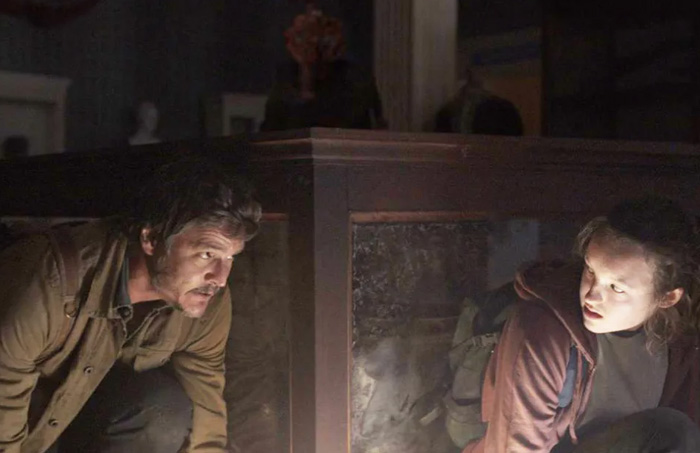
During this so-called renaissance, we witnessed the rise of zombies throughout various mediums including books, TV shows and video games. In fact, it was the video game series, THE LAST OF US, which later became a breakout HBO hit, that introduced many people to the concept of a fungal infection based zombie outbreak. Basically, mushroom zombies.
So how do we reconcile the various iterations of zombies that have flooded the global zeitgeist over the past near-century into a singular concept that encapsulates thematic cohesion across the perceived sub-genres? It is my opinion that voodoo zombies, reanimated corpse zombies, living viral infection zombies, mushroom zombies, and even–I know I’m going to get flack for this, but bring it on–The Borg from the Star-Trek universe are all zombies. They fit the criteria that the concept of the zombie demands.
Zombies threaten not only the victim’s physical safety, but within that threat lies a deeper peril. Becoming a zombie is a fate worse than death. It is a separation from the spark of humanity that creates sentience and autonomy. It is a foreboding, impending, imprisonment within a collective nothingness, darker than the blackest nihilism as nihilism requires intellect and observance to exist. This is the horror that the zombie in modern culture implies and the result is not beholden to the impetus of the plague, but rather, what comes after the change. For these reasons, all of them are zombies.