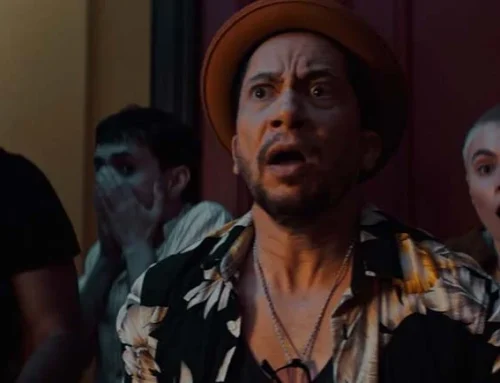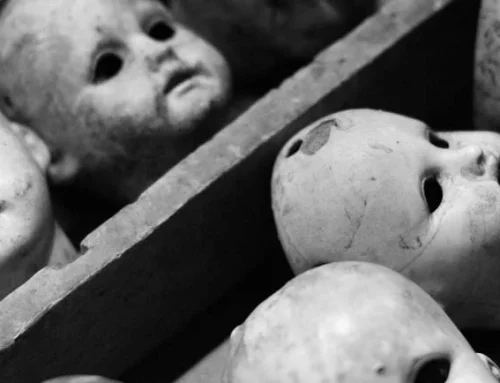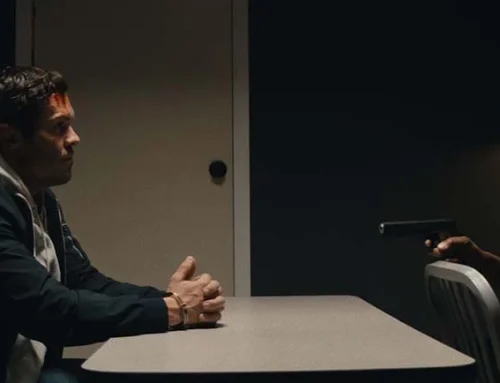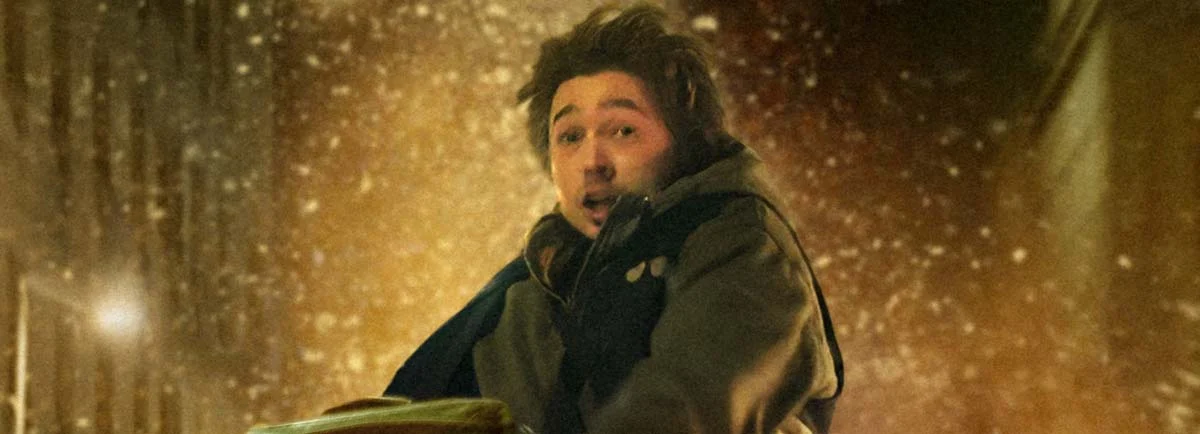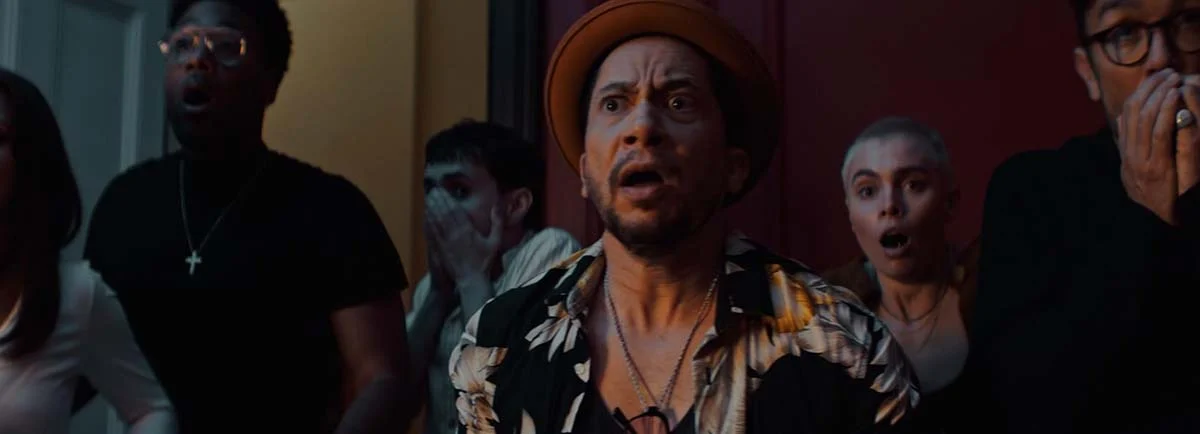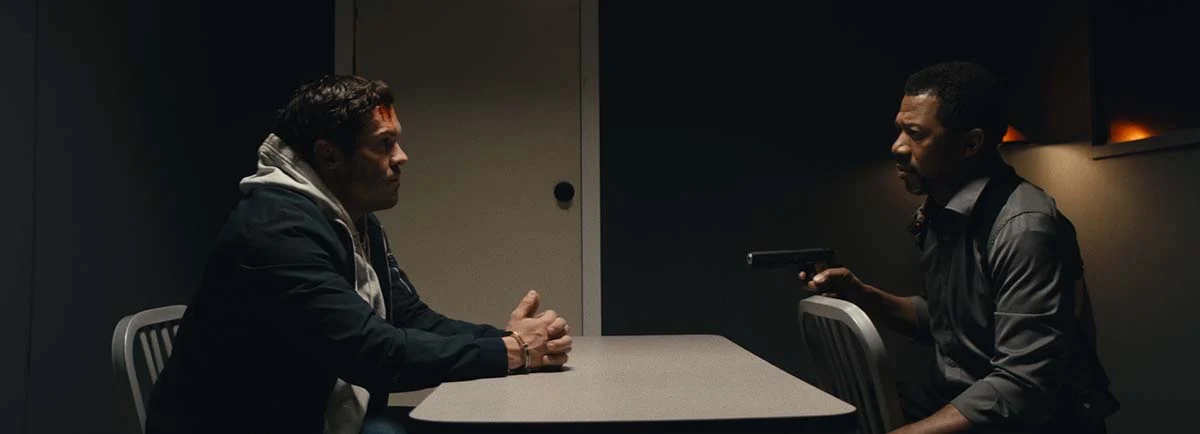
Is spooky season your favourite time of year? This list is for you, comprising 31 horror movies spanning over a century, based on their Cultural Impact, Genre Influence, Filmmaking Techniques, and Entertainment Value, excluding sequels and prequels. There’s one movie for every day in October to countdown to Halloween. Have you seen them all?
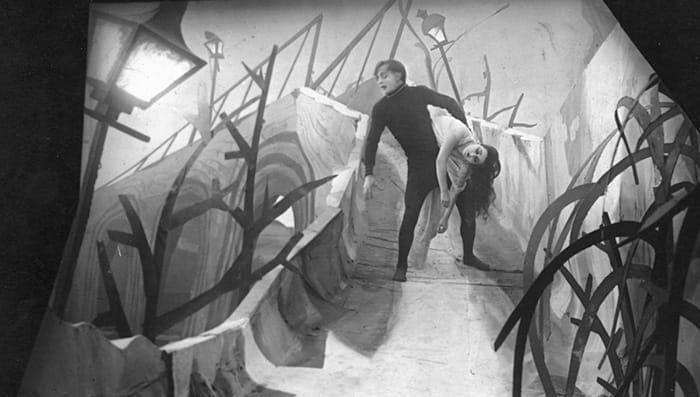
The Cabinet of Dr. Caligari (1920, Germany)
Director: Robert Wiene
Screenplay: Carl Mayer, Hans Janowitz
Cultural Impact: Captured post-WWI fears of fascism helping legitimize film as art.
Genre Influence: Quintessential to German Expressionism.
Filmmaking Techniques: Famous for an unreliable narrator, and distorted sets with painted shadows. Entertainment Value: Still scary, culturally relevant, and visually unique a century later.
Nosferatu (1922, Germany)
Director: F. W. Murnau
Screenplay: Henrik Galeen
Cultural Impact: The first major vampire film; legal drama with Dracula’s estate nearly destroyed its legacy.
Genre Influence: Introduced vampire tropes still used today.
Filmmaking Techniques: Striking locations, great use of light and shadow, and inventive effects.
Entertainment Value: Visually stunning with captivating performances and creepy atmosphere.
The Phantom of the Opera (1925, USA)
Director: Rupert Julian
Screenplay: Elliott J. Clawson, Richard Wallace, Walter Anthony
Cultural Impact: Helped make Lon Chaney legendary; inspired decades of remakes.
Genre Influence: Pioneered American gothic horror and the tragic monster archetype.
Filmmaking Techniques: Famous for Chaney’s DIY makeup, early stages of colour film, and massive sets.
Entertainment Value: Dramatic, creepy, and powerful. Especially that unmasking scene.
Frankenstein (1931, USA)
Director: James Whale
Screenplay: Garrett Fort, Francis Edward Faragoh
Cultural Impact: Definitive look for Frankenstein’s monster; helped launch Universal/ Hollywood horror.
Genre Influence: Created the “mad scientist” trope; sympathetic monster.
Filmmaking Techniques: massive, iconic set pieces, early FX pioneer, Karloff’s masterful performance.
Entertainment Value: Still spooky with visceral visuals.
The Wolf Man (1941, USA)
Director: George Waggner
the Screenplay: Curt Siodmak
Cultural Impact: Popularized werewolves in pop culture;
Genre Influence: Introduced werewolf tropes still used today; added tragic depth to monster stories. Reinvigorated Universal monster franchises
Filmmaking Techniques: Werewolf fog and that groundbreaking transformation scene.
Entertainment Value: Still as suspenseful and emotionally resonant.
Cat People (1942, USA)
Director: Jacques Tourneur
Screenplay: DeWitt Bodeen
Cultural Impact: Shifted horror to psychological fear; tackled sexuality.
Genre Influence: Used atmosphere and symbolism over explicit monsters, blending romance and horror.
Filmmaking Techniques: Masterful shadows, sound, and sensual suggestion.
Entertainment Value: Slow but intense; great for fans of classic psychological horror.
House on Haunted Hill (1959, USA)
Director: William Castle
Screenplay: Robb White
Cultural Impact: Vincent Price shines; famous for theatrical gimmicks with a haunted house template.
Genre Influence: Set standard haunted house tropes; mixed suspense with supernatural scares.
Filmmaking Techniques: Used widescreen, moody lighting, and sound to build atmosphere.
Entertainment Vablendun, suspenseful, campy cult favourite with unique audience engagement
Psycho (1960, USA)
Director: Alfred Hitchcock
Screenplay: Joseph Stefano
Cultural Impact: major pop culture influence, iconic shower scene; first time showing a woman in a bra and a toilet flushing on camera
Genre Influence: Early psychological horror and slasher blueprint.
Filmmaking Techniques: Masterful editing, stark lighting, top notch cinematography, iconic score.
Entertainment Value: Suspenseful, intense, psychologically rich, a timeless classic. Often imitated, never duplicated.
Night of the Living Dead (1968, USA)
Director: George A. Romero
Screenplay:John Russo, George A. Romero
Cultural Impact: Reflected 1960s social unrest (Vietnam War, civil rights); sparked debate over violence and race in the media.
Genre Influence: Created the modern zombie template (flesh-eating undead, apocalyptic tone, people are monsters too); inspired countless films, shows, and games; turned zombies into social metaphors.
Filmmaking Techniques: Low-budget, black-and-white style added realism; used local actors and real locations; innovative use of news footage and radio broadcasts; gritty, documentary like editing built tension, gruesome kills at the time
Entertainment Value: Still unsettling; memorable characters and iconic scenes; intense human conflict adds depth; shocking ironic ending leaves a lasting impact.
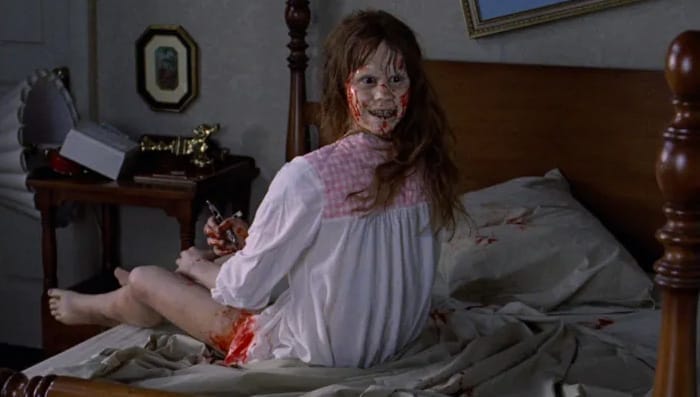
The Exorcist (1973, USA)
Director: William Friedkin
Screenplay: William Peter Blatty
Cultural Impact: Brought demonic possession into mainstream pop culture; caused widespread controversy; first horror film nominated for Best Picture.
Genre Influence: Set the standard for religious and possession horror; influenced countless films
Filmmaking Techniques: Used realistic cinematography, groundbreaking practical effects, and haunting sound design to create lasting fear.
Entertainment Value: A slow-burn, deeply unsettling classic with iconic performances and scenes
Don`t Look Now (1973, UK/ Italy)
Director: Nicolas Roeg
Screenplay: Allan Scott, Chris Bryant
Cultural Impact: A haunting, arthouse horror-drama that challenged traditional storytelling and shocked audiences with its explicit content and emotional depth.
Genre Influence: Blended horror with psychological drama and grief; inspired future films exploring loss and the supernatural in subtle, eerie ways
Filmmaking Techniques: Masterful editing (especially the cross-cut sex scene), symbolic use of colour (especially red), and disorienting camerawork create a sense of dread and confusion.
Entertainment Value: A slow, atmospheric mystery with an unforgettable twist; emotionally unsettling, but deeply memorable.
The Texas Chainsaw Massacre (1974, USA)
Director: Tobe Hooper
Screenplay: Kim Henkel, Tobe Hooper
Cultural Impact: A raw, brutal film that shocked 1970s audiences; it helped define the American slasher and inspired moral panic over media violence
Genre Influence: Pioneered slasher tropes (masked killer, final girl, rural setting)
Filmmaking Techniques: Gritty, hand held documentary-style cinematography and low-budget realism create a sense of authenticity and relentless tension despite minimal on-screen gore.
Entertainment Value: Intense, disturbing, and relentless experience that still feels dangerous and raw.
The Omen (1976, USA)
Director: Richard Donner
Screenplay: David Seltzer
Cultural Impact: Tapped into 1970s religious anxiety and end-times paranoia; solidified the “evil child” trope in pop culture sparking interest in biblical prophecy/ the Antichrist.
Genre Influence: Helped popularize prestige horror with big-name actors and seriminuscule
Filmmaking Techniques: Polished cinematography, suspenseful pacing, and iconic score enhance its sense of doom.
Entertainment Value: A classy, suspense-driven horror film with shocking deaths, strong performances, and an unforgettably impactful ending
Suspiria (1977, Italy)
Director: Dario Argento
Screenplay: Dario Argento, Daria Nicolodi
Cultural Impact: Redefined horror as visual art; introduced global audiences to Italian giallo and solidified Argento as a horror auteur.
Genre Influence: Elevated style over plot with its bold use of colour, surrealism, and dream logic.
Filmmaking Techniques: Striking use of vivid colour lighting, stylized set design, and Goblin’s chaotic, experimental soundtrack create a hypnotic, nightmarish atmosphere.
Entertainment Value: More about a moody, intense, sensory experience that’s beautiful yet deeply unsettling.
Invasion of the Body Snatchers (1978, USA)
Director: Philip Kaufman
Screenplay: W. D. Richter
Cultural Impact: Captured 1970s fears of conformity and loss of identity during political unrest.
Genre Influence: Influenced sci-fi horror with paranoia; popularized hidden alien invasion themes.
Filmmaking Techniques: Used cold cinematography, practical effects, and eerie sound to build suspense.
Entertainment Value: Tense, psychologically scary, with memorable scenes and a gripping story.
Halloween (1978, USA)
Director: John Carpenter
Screenplay: John Carpenter, Debra Hill
Cultural Impact: Created the iconic silent killer myth and tapped into suburban small town fears.
Genre Influence: Set the standard for slasher films with the final girl and masked killer tropes with Michael Myers.
Filmmaking Techniques: Used killer POV shots and an iconic minimalist score to build tension.
Entertainment Value: Suspenseful, scary without heavy gore, with a memorable villain and strong heroine.
The Thing (1982, USA)
Director: John Carpenter
Screenplay: Bill Lancaster
Cultural Impact: Reflecting Cold War paranoia and mistrust.
Genre Influence: Set a high standard for sci-fi and body horror without-provoking alien themes.
Filmmaking Techniques: Famous for its groundbreaking practical effects and claustrophobic frozen setting.
Entertainment Value: Tense, terrifying, and sensory with complex characters and unforgettable visuals
Poltergeist (1982, USA)
Director: Tobe Hooper
Screenplay: Steven Spielberg, Michael Grais, Mark Victor
Cultural Impact: Popularized haunted house horror. Introduced Indian Burial Ground cliche
Genre Influence: Influenced haunted house films; mixed family drama with horror
Filmmaking Techniques: Groundbreaking practical effects and a relatable suburban setting.
Entertainment Value: Scary, emotional, funny with iconic scenes and a strong family story.
A Nightmare on Elm Street (1984, USA)
Director: Wes Craven
Screenplay: Wes Craven
Cultural Impact: Introduced Freddy Krueger, tied to nightmares.
Genre Influence: Blended supernatural horror with slasher elements, expanding the genre’s boundaries.
Filmmaking Techniques: Used surreal dream sequences and practical effects to blur reality and the dreams.
Entertainment Value: Scary, imaginative, with dark humour and iconic kills.
The Fly (1986, Canada)
Director: David Cronenberg
Screenplay: Charles Edward Pogue, David Cronenberg
Cultural Impact: Boosted Cronenberg’s global reputation; sparked discussions on disease, decay, and identity.
Genre Influence: Elevated body horror and sci-fi horror; inspired later films with its tragic, character-driven approach to transformation.
Filmmaking Techniques: Masterful practical effects and makeup; deliberate direction and writing blends horror, romance, and tragedy.
Entertainment Value: Gripping, grotesque, and emotionally resonant; Jeff Goldblum’s performance is iconic.
The Vanishing (1988, France/ Netherlands)
Director: George Sluizer
Screenplay: George Sluizer, Tim Krabbé
Cultural Impact: Praised for its psychological depth and chilling realism.
Genre Influence: Redefined psychological thrillers by focusing on obsession and dread over gore.
Filmmaking Techniques: Utilized a slow-burn narrative, non-linear structure, and minimal music to heighten tension and realism.
Entertainment Value: Gripping and unsettling. Less about jump scares, more about existential horror and emotional suspense. Often cited for its disturbing ending.
Scream (1996, USA)
Director: Wes Craven
Screenplay: Kevin Williamson
Cultural Impact: Revitalized the slasher genre in the ’90s; turned horror mainstream again. Sparked a wave of meta-horror films
Genre Influence: Blended self-aware humour with genuine scares because plausible premise that deconstructed horror tropes while still delivering on them.
Filmmaking Techniques: Sharp script, iconic opening scene, genre-savvy characters, and stylish direction
Entertainment Value: Highly entertaining mix of wit, suspense, and gore. Both a love letter to horror fans and a slasher in its own right.
Ringu (1998, Japan)
Directed: Hideo Nakata
Screenplay: Hiroshi Takahashi
Cultural Impact: Launched the J-horror boom globally; inspired Western remakes and introduced audiences to atmospheric, supernatural horror.
Genre Influence: Shifted horror focus from gore to eerie buildup and cursed media themes. Set the template for supernatural horror in the 2000s.
Filmmaking Techniques: Cold, muted visuals, slow pacing, and minimalist sound design created dread without relying on jump scares.
Entertainment Value: Deeply unsettling and mysterious. Grips viewers with a haunting story that lingers long after it ends.
Audition (1999, Japan)
Director: Takashi Miike
Screenplay: Daisuke Tengan
Cultural Impact: Shocked global audiences; became a cult classic and a symbol of J-horror’s extremity.
Genre Influence: Blended romantic drama with extreme horror, influencing “slow-burn” horror and torture subgenres
Filmmaking Techniques: Starts calm, then shifts into disturbing territory; uses quiet tension, long takes, practical effects and unsettling sound.
Entertainment Value: Unforgettably unnerving. Not for the faint-hearted
The Sixth Sense (1999, USA)
Director: M. Night Shyamalan
Screenplay: M. Night Shyamalan
Cultural Impact: Famous for its iconic twist ending and the line “I see dead people.” It became a pop culture staple launching Shyamalan’s career.
Genre Influence: Shifted horror from gore to psychological/ supernatural drama. Influenced a wave of “slow-burn” and emotional mainstream horror films.
Filmmaking Techniques: Masterful use of misdirection, symbolism (especially the colour red), haunting sound design, and subtle writing, and superb cinematography.
Entertainment Value: Gripping story, emotional depth, strong performances (especially Haley Joel Osment and Toni Collette), and major rewatch value
The Blair Witch Project (1999, USA).
Director: Daniel Myrick, Eduardo Sánchez
Screenplay: Daniel Myrick, Eduardo Sánchez
Cultural Impact: Revolutionized found footage horror and viral marketing; made “Blair Witch” a pop culture icon.
Genre Influence: Popularized the found footage style because of documentary style filmmaking and minimalist, psychological horror,
Filmmaking Techniques: Shot like real amateur footage with improvisational acting and no big effects, built tension through sound and atmosphere on a miniscule budget.
Entertainment Value: Immersively intense experience that’s slow but rewarding, with a polarizing radical style at the time.
Pan’s Labyrinth (2006, Mexico/Spain)
Director: Guillermo del Toro
Screenplay: Guillermo del Toro
Cultural Impact: Powerful anti-fascist message rooted in Spanish history/ folklore. Gained global recognition bringing attention to political trauma.
Genre Influence: Redefined dark fantasy by blending fairy tales with real-world horrors. Inspired future films to use fantasy as a tool for deep storytelling.
Filmmaking Techniques: Masterful mix of practical effects and CGI, symbolic use of color, haunting music, and a dual narrative that blurs reality and fantasy.
Entertainment Value: Emotionally gripping, visually stunning, and morally complex. Deeply moving and unforgettable.
Martyrs (2008, France)
Director: Pascal Laugier
Screenplay: Pascal Laugier
Cultural Impact: A cornerstone of the New French Extremity movement shockingly brutal violence and philosophical themes that divided critics but became iconic.
Genre Influence: Pushed horror boundaries into psychological and existential territory. Influenced extreme horror globally, especially films blending gore with deeper meaning.
Filmmaking Techniques: Gritty realism, minimal score, intense practical effects, and raw handheld cinematography that amplifies discomfort.
Entertainment Value: Not traditional entertainment, deeply disturbing, emotionally punishing, and thought-provoking. More of an endurance test than a fun horror film.
It Follows (2014, USA)
Director: David Robert Mitchell
Screenplay: David Robert Mitchell
Cultural Impact: Praised for its originality and subtle social commentary (especially around fear, sex, and adolescence).
Genre Influence: Helped revive atmospheric, slow-burn indie horror; influenced the 2010s wave of “elevated horror”
Filmmaking Techniques: Dreamlike visuals, retro aesthetic, synth-heavy score, and long tracking shots that build dread through suspense, not jump scares.
Entertainment Value: Creepy, tense, and thought provoking. Scares come from mood and concept, not gore, makes you paranoid in the best way.
Hereditary (2018, USA)
Director: Ari Aster
Screenplay: Ari Aster
Cultural Impact: Considered one of the scariest modern horror films. Cemented A24’s reputation for “elevated horror.”
Genre Influence: Blended supernatural horror with intense family drama. Inspired a wave of grief-focused storylines
Filmmaking Techniques: Precise framing, slow zooms, haunting sound design, miniatures as metaphors, and a commendable performance by Toni Collette.
Entertainment Value: Emotionally devastating and deeply unsettling. Not just scary, traumatic, in a way that lingers long after it ends. It makes you feel icky afterwards.
Speak No Evil (2022, Denmark)
Director: Christian Tafdrup
Written: Christian Tafdrup, Mads Tafdrup
Cultural Impact: Stirred controversy for its bleak, brutal ending; sparked debate on politeness, boundaries, and social conformity.
Genre Influence: A standout in psychological horror; uses realism and social discomfort as the main source of dread.
Filmmaking Techniques: Subtle, minimalist direction; slow pacing builds unease. Natural lighting, restrained camera work, and a chillingly calm tone.
Entertainment Value: Uncomfortable, slow-burn. Less “fun,” more horrifying in a deeply human, relatable way.