
There was a time when celebrity culture belonged almost entirely to Hollywood, football stadiums, glossy magazines, and awkward late-night interviews. Fame had geography. It was beyond a velvet rope and tinted car window. Then there was online gaming, streaming, social media chaos, and somewhere between all of these, Fortnite brokered a quiet shakeup of the rules.
Not just as a game either. That part gets repeated too often. The more interesting story is how Fortnite became a stage where people stopped playing characters and started becoming celebrities through them. Strange shift, really. A teenager in a banana costume could suddenly pull larger audiences than television presenters. A virtual dance emote could travel faster than a pop song. And somehow millions accepted that as perfectly normal.
Fortnite Turned Players Into Performers
Early online games rewarded skill. Fortnite rewarded visibility. That difference matters more than people realise.
The game arrived at exactly the right moment when livestreaming exploded and attention spans became deeply connected to fast visual entertainment. Fortnite’s colourful style helped enormously. Unlike darker military shooters, it looked expressive, exaggerated, almost theatrical. Even losing could look entertaining.
The Match Became a Show
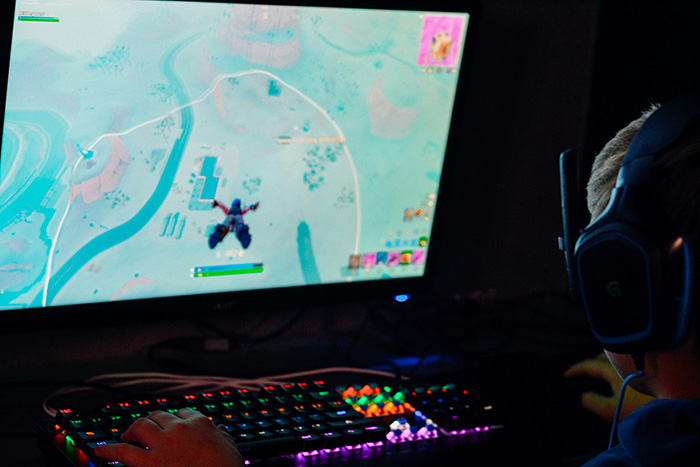
Fortnite matches were never just about survival. They became performances. Building mechanics created dramatic moments viewers could instantly recognise, even without understanding every detail of the game. A chaotic last-minute tower fight looked impressive to almost anyone scrolling through clips online.
Soon, streamers were no longer simply gamers. They were hosts, comedians, actors, improvisers, sometimes accidental philosophers during four-hour broadcasts at 2 a.m. The audience did not only watch gameplay. They watched personalities reacting live under pressure.
That blurred line between player and entertainer created an entirely new category of celebrity.
Some key changes happened surprisingly fast:
- Livestream highlights became more valuable than tournament victories.
- Emotes and skins turned into personal branding tools.
- Fans started following creators across games, not just within Fortnite itself.
Come to think of it, that last point may have changed internet culture more than the game developers expected.
Digital Fame Feels More Accessible
Traditional celebrities often appear distant. Virtual celebrities feel strangely reachable. A streamer might answer chat messages directly, react to memes instantly, or accidentally reveal complete exhaustion after eight straight hours online. That kind of visibility creates emotional closeness very quickly.
The Audience Participates in the Celebrity
In film or television, audiences observe fame from the outside. Fortnite changed that relationship because fans actively shape the experience. They vote with attention, create clips, remix jokes, spread dances, and influence trends inside the game itself.
After the second major wave of creator culture, discussions around player identity and status even started overlapping with services like https://skycoach.gg/fortnite-boost/accounts?preset_id=102, especially among highly competitive players trying to keep pace with fast-moving seasonal rankings and exclusive cosmetic rewards.
True, some people dismiss that as superficial. Yet status symbols have always existed. Expensive trainers, rare vinyl records, and limited football shirts. Fortnite simply digitised the instinct.
Skins Became Social Signals
What’s interesting is that many times the cosmetics in Fortnite have an emotional significance, but not one of gameplay. An old skin can give away if someone has begun playing, what live events they have been to or which season they have obsessively survived.
A rare cosmetic now functions almost like vintage band merchandise. That sounds ridiculous at first. Then again, people once queued overnight for trainers connected to basketball players. Human behaviour rarely changes as much as technology does.
Concerts, Crossovers, and the Collapse of Reality
At some point, Fortnite stopped behaving like a video game entirely. The turning point was probably the live events. Inside digital worlds, people came together not to play, but to watch something unfold. Crowds swelled in online arenas when Ariana Grande appeared virtually, much like a stadium filling under night lights. Elsewhere, Travis Scott’s performance pulled just as many numbers stretching into the millions. These moments felt less like games, more like events everyone agreed to witness at once. What emerged wasn’t rivalry, but a quiet unity across screens.
Floating among towering neon vistas, players saw sound take shape. Music unfolded before their eyes while they moved through spaces real stages could never hold. Performances here broke rules known to live venues. One concert sequence transformed the map into a surreal underwater dreamscape for millions simultaneously.
Brands Realised Attention Had Moved
The advertising world noticed quickly. Luxury fashion brands, football clubs, film studios, and musicians all entered Fortnite because traditional media increasingly struggled to generate the same level of participation.
Some collaborations felt natural. Others felt deeply bizarre. Yet even the awkward crossovers proved something valuable: digital spaces now hold cultural legitimacy. Virtual environments are no longer secondary to physical ones. For younger audiences, they are simply part of normal life.
The Psychology Behind Virtual Celebrity
There is another layer underneath all this. Fame inside digital worlds often feels safer than fame in reality. A creator can control appearance, voice, humour, and identity more carefully online. Avatars provide distance while still allowing emotional connection. That combination is powerful.
The Avatar Becomes the Person
Older ideas about celebrity relied heavily on physical presence. Fortnite-era fame works differently. Sometimes audiences become attached to the performance before fully understanding the real individual behind it.
The internet also rewards constant reinvention. One week, a creator becomes famous through impossible trick shots. The next week, through absurd comedy clips or reaction videos. Fortnite’s flexible design encouraged all of that because the game itself never took realism too seriously.
Why Fortnite Still Matters Culturally
People often talk about Fortnite as if it were a trend from a specific era. Yet its deeper influence remains everywhere across entertainment.
Games now launch with live events already planned. Streamers negotiate contracts resembling sports sponsorships. Virtual items generate real economic value. Online presence now carries social weight, particularly for younger people who were raised immersed in digital spaces instead of just logging in now and then.
Nowhere does it feel more odd than here, how normal this seems today. Inside virtual spaces, people come together by the million. They listen to musicians live, talk about clothes, follow streamers, experience events, yet never stop to ask if it’s actually real. The distinction itself has started fading.
