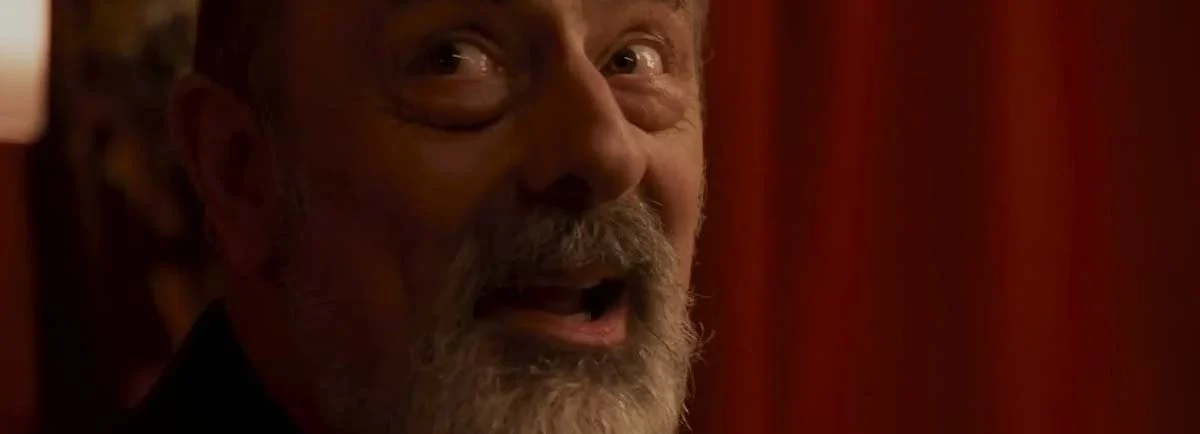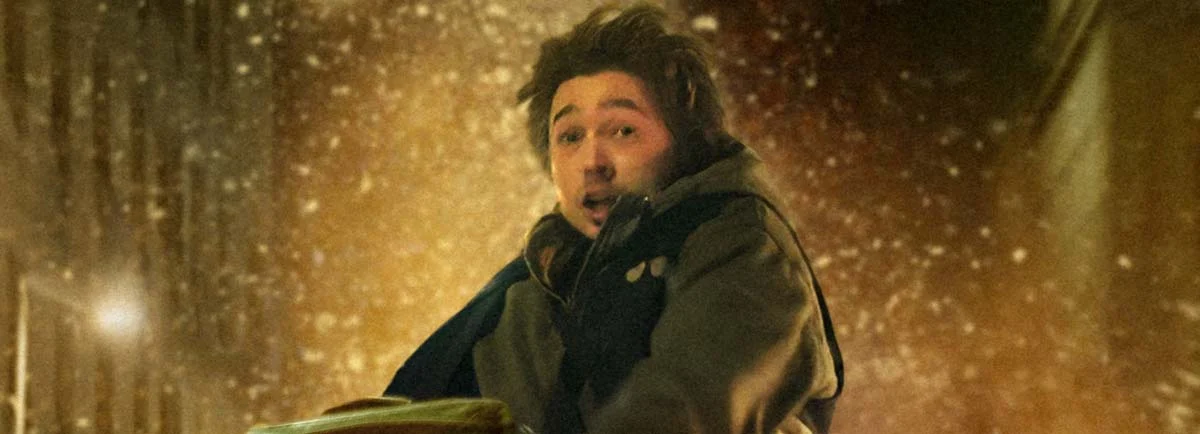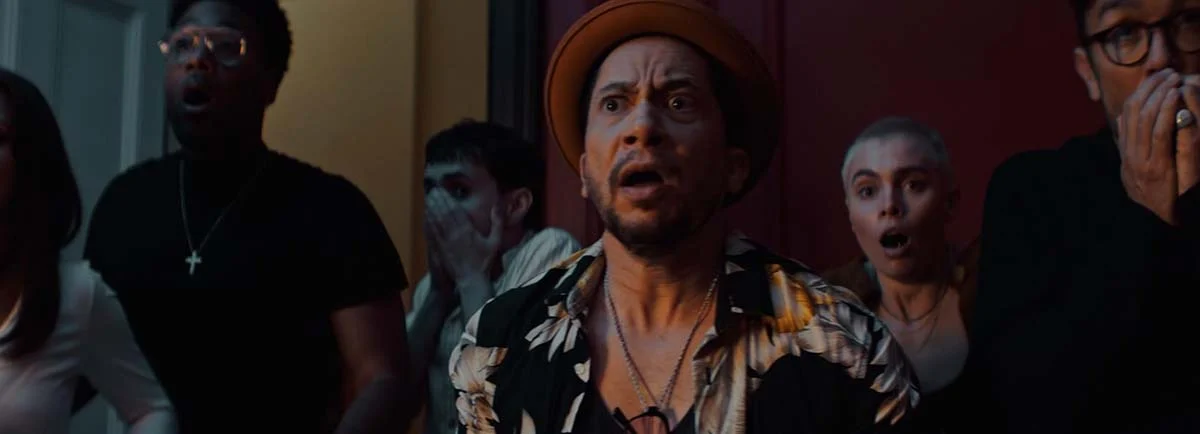
The short film Redneck just premiered at the Fantasia Film Festival. Set in a stretch of the Appalachians, the film stars Annalise Basso as Sparks. She lives among a clan of redheads born soulless, and to survive, they must steal souls. Pulling from historical folklore, the short addresses the stigmatization that gingers have often faced.
We interviewed Annalise Basso and writer, director, and producer Alexandria Basso about the film, including its impressive cast of gingers and what inspired the script.
This interview was edited slightly for clarity.
Can you talk about some of the folklore and history that inspired Redneck?
Alexandria Basso: There are a lot of stereotypes and jokes that we wrapped up into one. It was a lot of pulling from different cultures. Growing up a redhead, you search for your place to fit in and your place to belong. Carrying that with you into adulthood was the origin of this and making a movie about belonging, being different and using that thing that sets you apart as a source of power or a source of shame. It was a combination of a lot of factors.
How did you find and assemble such a large and impressive cast of gingers for some of the scenes? I think I read you had at least 50 in the film, correct?
Alexandria Basso: It was a joint effort between a really great extras casting director, Tina Kerr, and boots on the ground. I asked random redheads in Tennessee to be in my movie. From the beginning, people who saw that casting call were immediately intrigued. I don’t know if you’ve ever seen the festival for redheads in Ireland, but it’s really visually striking. I think people had an idea of what it would look like and wanted to be part of it. It’s visually ambitious.
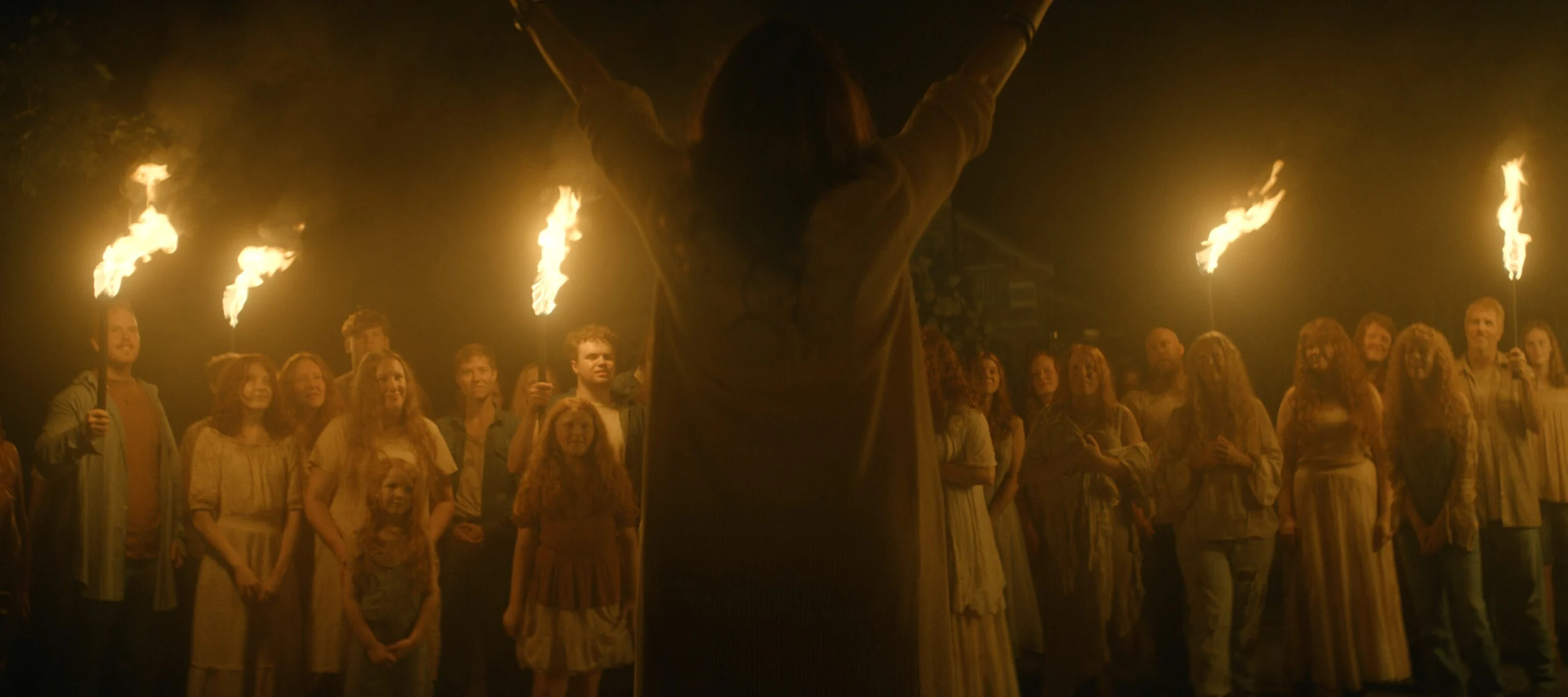
Annalise Basso: As a redhead, it’s a sight to behold. You have a horde of redhead people with torches, screaming. It was intimidating, even for me. [Laughs].
Alexandria Basso: When we had the extras coming down a hill, from base camp to set, one after the other, the crew wanted to laugh but was spellbound. Everyone in it has such a distinct look. I did all of the wardrobe myself and with help from the extras. I texted with each of them individually to get them dressed appropriately. They all had so much fun. That scene is a culmination of a lot of joy and effort from extras and the crew.
Talk a little bit about Sparks’ character arc. For instance, there’s a moment where she tries to change and camouflage herself. It’s a powerful moment regarding how she feels about her identity.
Annalise Basso: Sparks is easy to talk about. The thing that draws me most to her is that she’s in a constant state of questioning who she is, what her values are, what her principles are, and fighting for what she believes in. She’s an outlier among outliers. She doesn’t have any friends. I think she hides who she is as a monster. That’s why there’s so much internal chaos. She’s struggling to understand something she refused to embrace. Her true self that she hides is among her tribe of redheaded people. Sparks is somebody who strikes this balance of being monster and human, 100 percent of both, not 50/50. That speaks to the brilliance of the writer, director, and producer and creating a character who is complex, fantastic, relatable, and human.
Can you speak to the importance of the setting in the film and the Appalachians?
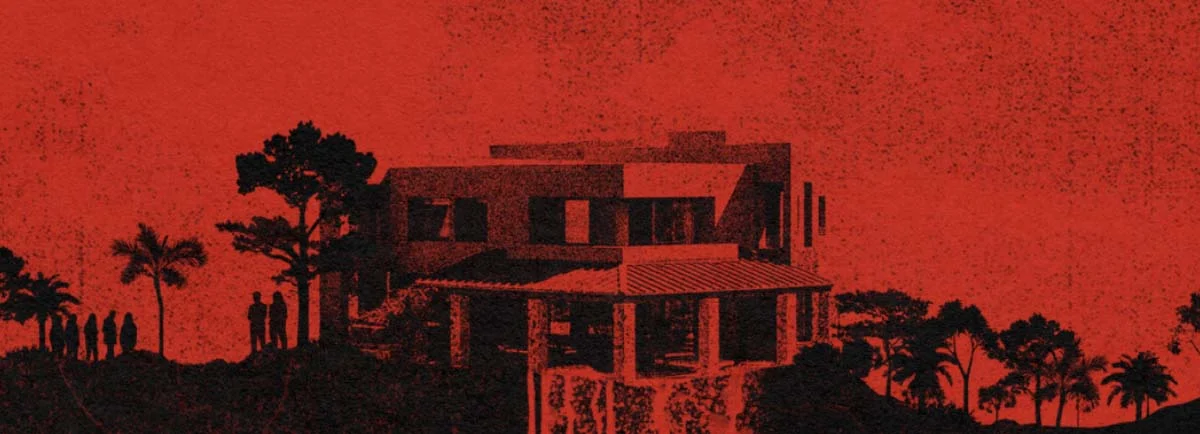
Alexandria Basso: When we moved to Tennessee, my mom got this really incredible cabin built by Braxton Dixon, who was an incredible architect. He was a craftsman. He built these houses with really, really old Civil War-era logs. He went across the United States, grabbing pieces of old Victorian houses that were being demolished. He had this property next to my mom’s house. It was like a mosaic of different textures. It is a cabin and feels like a hillbilly hideout, but there was also a teahouse around the corner with a bowling alley from France in the floor where Johnny Cash used to store his guns.
It was a really magical set. I had some ideas about where to shoot, and then I went down with my DP, and he said we had to shoot it there. He made that call because of the production value and history. It makes it feel like more of a folktale as opposed to just a cult in the woods. It feels like a kingdom.
Annalise Basso: The DP built these lamps and other stuff that contributed to the atmosphere, fantasy, and magic. In an industry where everything is supposed to be fake, my sister is someone who prioritizes truth and seeks truth. Her values are definitely tangible and powerful. As someone who consumes media, seeing something that has true history behind it, it’s hard not to be affected by it.
Why horror to tell this particular story?
Alexandria Basso: That’s one of my favorite questions. I feel like a lot of people think horror is to just shock you and scare you, but it’s a very broad genre to play with things that are quietly supernatural and eerie. We have developed a language, and I think that langue includes horror to explore those deeper truths. It’s a tool, and there are so many different kinds of horror. Horror is the best genre to explore the unknown.
What’s next for both of you?
Annalise Basso: My brother, sister, and I all had our directorial debuts this year. That was fun and not at all planned. [Laughs]. I directed, produced, and starred in a short called Intimus. It’s sci-fi and really weird. We shot on film, and it’s my love letter to this filmmaking community. I wanted to take a risk and invest in myself and the people I believe in. We’ll see if it ends up at any festivals. That’s what’s next for me and starring in a feature version of Redneck.
Alexandria Basso: Redneck is ultimately a proof of concept. We have a really great feature planned. It could be series, but I have the feature script. It’s kind of a mix between O Brother, Where Art Though? meets Sinners. It’s a Southern Gothic fairytale. It’s a little weird, tongue-in-cheek, and sinister. It has what I’d want to see in a movie.
Redneck just premiered at the Fantasia Film Festival.
Brian Fanelli has been writing for HorrorBuzz since 2021. He fell in love with horror after watching the Universal Monster movies as a kid. His writing on film has also appeared in Signal Horizon Magazine, Bright Lights Film Journal, Horror Homeroom, Schuylkill Valley Journal, 1428 Elm, and elsewhere. Brian is an Associate Professor of English at Lackawanna College, where he teaches creative writing and literature, as well as a class on the horror genre.