One kill in Friday the 13th Part VII nearly pushed the franchise into oblivion not because it was more violent than what audiences see today, but because it forced viewers to feel the violence. And that distinction explains why modern horror looks the way it does.
The Sleeping Bag kill from Part 7 broke the rules, even after the gore was gone. The MPAA didn’t censor gore. It censored viewer alignment. They’re invisible, inconsistent, and unaccountable. They have no clear rules and no appeal process with decisions that are delivered after the damage is done. The MPAA operated less like a regulator and more like an offscreen killer changing the rules of survival midscene. They weren’t publishing a rulebook. They were operating on vibes.
A Brief History: The Body Count Rises
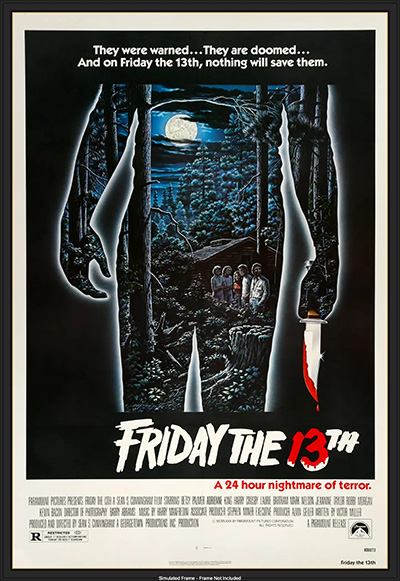
Friday the 13th (1980)
- MPAA allows gore but forces trims. The violence was presented plainly but significantly cut down due to the threat of an X Rating. The early warning shots were fired
Part 2-4 (1981-1984)
- The MPAA scrutiny intensifies. Kill scenes repeatedly cut after filming. Each subsequent sequel required multiple submissions for approval.
Directors begin shooting “decoy gore”. A tactic where creators place a scene they know will be cut by censors, intentionally allowing the censors to “win” while ensuring the rest of the film passes untouched. It’s intentional misdirection. The gore itself might be exaggerated to make the audience focus on the shock value, distracting them from plot points or more subtle, disturbing elements. The MPAA wasn’t reacting anymore. It was anticipating.
The Breaking Point – Part V & VI
- Studios start pre-censoring themselves. The kills got faster. The camera pulls away sooner so less time is spent inside suffering. Part 6 introduced a supernatural element too.
Friday the 13th Part VII (1988)
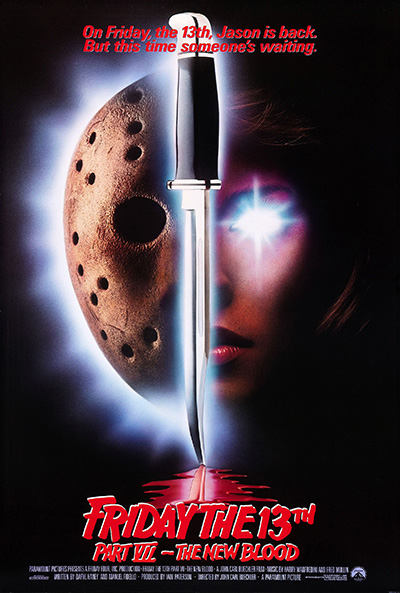
- The MPAA demands the most cuts in franchise history. Entire kills were reduced to impacts and reactions. The threat of an X rating was over tone, not content. By Part VII, Friday the 13th wasn’t pushing boundaries. It was walking on eggshells.
And that’s what makes the sleeping bag kill so revealing.
Even stripped of gore, it still violated the MPAA’s real rule. By the late ’80s, the MPAA didn’t need to see the blood. They already knew what Friday the 13th was trying to make you feel.
During the Sleeping Bag Kill, Jason slams a woman in a sleeping bag against a tree. No elaborate gore. No mythic framing. Just repetition, helplessness, and time in the moment. Director John Carl Buechler has also said the MPAA demanded more cuts on Part VII than any previous entry, even though it contained less visible gore.
Kane Hodder has repeatedly said that the MPAA told them the sleeping bag kill was “too sadistic.” Sadism isn’t about what happens, it’s about how long you stay with what’s happening. It’s about whether the audience is forced to participate emotionally
What was the MPAA response? The threat of an X rating. The scene was butchered beyond recognition. This wasn’t about how much violence was shown. It was about how long the audience was forced to stay in it.
The MPAA’s Real Rule (Then vs. Now)
Then: In ’80s Slashers the violence lingered, victims were human, young, vulnerable people, the camera didn’t flinch, there was no moral framing, and no apologies. – MPAA translation: “This enjoys suffering.”
Now: In modern Action/ Horror Hybrids the violence is faster, framed as spectacle or lore, and often abstracted through CGI, quick editing cuts, and distant shots. This is wrapped in franchise mythology, prestige aesthetics, and trauma discourse. The same brutality is more about spectacle not substance. – MPAA translation: “Intense but acceptable.”
The Genre Hypocrisy (Why Horror Was Targeted over other genres)
The MPAA’s belief: Horror exists to arouse fear therefore violence is “the point”. Therefore it deserves harsher scrutiny Action films, meanwhile, were seen as narrative driven, heroic, morally contextualized, and all about spectacle. The result? Two identical stabbings. Two completely different ratings. Blood spurts mattered more in horror. Closeups were scrutinized. Repetition equaled “sadism”.
Friday the 13th’s real crime is that it didn’t pretend to be anything else. It was proud to be violent and the box office backed it up. It earned the reputation of being dangerous for a whole new generation at the time.
What the MPAA Was Actually Afraid Of? The MPAA doesn’t ask, “Is this violent?” It asks, “Will the audience feel complicit?” In Friday the 13th the violence is slow. The victims are human and helpless. The audience is trapped in the moment.
In modern franchise films they have two options. First, the violence is abstracted, often balancing the need for R-rated intensity with the desire for a broader PG-13 audience. The other option is pushing the boundaries of R-ratings to satisfy horror fans. Victims are usually anonymous or mythic. The film rushes you forward before discomfort sets in when kills happen. They didn’t hate gore. They hated intimacy.
Pushing the Limits of the R Rating (Saw, Final Destination)
The Saw Franchise (2004-Present) solidified the “torture porn” subgenre, requiring R ratings for intense sequences of graphic violence and gore. Final Destination (2000-Present) is known for elaborate, violent death scenes, the series has consistently maintained an R rating for “intense horror violence and gore, and for language”.
Legacy Sequel Ratings (Halloween, Scream)
Halloween (2018-2022) was Blumhouse’s Halloween trilogy that was firmly R-rated, often pushing the violence further than the original 1978 classic to satisfy modern audiences.
Scream (2022-Present): had its more recent entries maintain the franchise’s traditional R rating, balancing meta-commentary with meta-slasher violence.
The Exception: Terrifier (2016-Present)
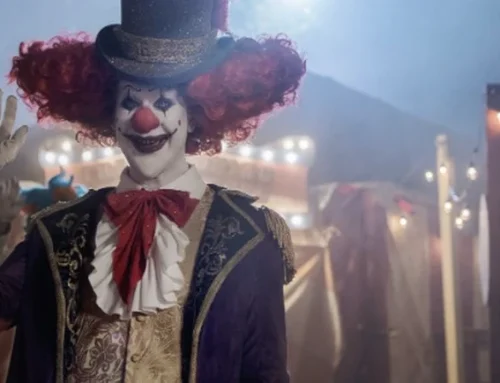
The Terrifier franchise, specifically Part 2 (2022) and Part 3 (2024) are prime examples of rejecting the MPAA system altogether. By releasing these films Unrated, the filmmakers are able to bypass rating cuts, allowing for extreme, gore-heavy content that would almost certainly be forced into an NC-17 or heavily edited R rating. These films wouldn’t be the same if they were through the MPAA.
Same Violence, Different Tolerance. (Predator 1987-Present)
Predator: Badlands is a prime example of how to do voice without MPAA scrutiny. In that film bodies are shredded, spines get ripped out, and blood splatter galore. However, it’s framed as world logic and mythic combat. It’s all monster on monster/ robot violence. The blood isn’t red, it’s white robot fluid and green Predator blood.
A sci-fi horror franchise known for extreme gore gets watered down because of silly illogical rules. In Friday the 13th Part VII, a woman is in a sleeping bag. She’s slammed against a tree. No myth. No distance. Just a girl being brutalized. One is mythic violence. The other is personal violence. The MPAA has always been afraid of the ladder.
Cultural Context (Acknowledge the Defense)
In the ’80s, the MPAA faced parental pressure from the Reagan era moral panic. This led to an ever pressing fear of slashers being marketed to teens. None of that explains why identical violence was treated differently depending on genre.
The Long Term Damage
The MPAA didn’t just censor scenes. It rewrote horror’s survival strategy. Studios learned to disguise violence. ’90s horror pivots to Meta commentary, psychological dread, and an increased amount of jump scares. Raw splatterfests became financially radioactive. Horror didn’t lose to the MPAA. – It adapted for survival. Jason was honest about what he was. The MPAA never was.
The Franchise After the Cuts (Damaged, Not Defeated)
Friday the 13th eventually lost Its weapon: Time. After Part VII, the franchise didn’t just lose gore. It lost the ability to linger. The kills became shorter, more suggestive (Often offscreen) so the impact replaces the personal experience. The camera starts protecting the audience. The violence still happened, you just weren’t allowed to stay with it. This is the MPAA’s rule, internalized.
Jason Stops Being a Threat, Starts Being a Mascot
When violence is no longer intimate Jason becomes: Iconic, performative, and predictable. The kills become plot beats, not horrific moments The result: Jason isn’t something happening to people anymore. He’s something happening between scenes with people. That’s a huge tonal shift. The Franchise Chases Gimmicks Instead of Fear.
Look at the post-Part VII era:
Jason Takes Manhattan (1988)
This was about spectacle over terror. The Icon was greater than the atmosphere.
Jason Goes to Hell (1992)
This film is extremely lore-heavy, putting Jason mythology-first. The mythic framing makes the kills more “acceptable”.
Jason X (2001)
This was a sci-fi parody of the franchise full of self-awareness. Interestingly enough, the sleeping bag kill was spoofed in this film. The person gets slammed against the tree but because of the comedic tone it’s deemed as more “acceptable.”
Freddy vs Jason (2003)
The cartoon level of violence is more comical than serious/ intimate. Most violence is between two mythical characters. Friday the 13th didn’t get softer. It got safer.
These aren’t creative evolutions so much as escape routes. Key insight here is when you can’t make violence uncomfortable, you make it novel. That’s the unspoken lesson studios learned. Friday the 13th became a warning label inside Hollywood.Studios also learned not to make violence feel personal, don’t let scenes linger, don’t trap the audience in helplessness, and add emotional and physical distance with touches of humour, lore, irony, and scale. They use wide shots, not close ups. This isn’t just about one franchise. It’s about an entire genre adapting to survive.
2009 Remake
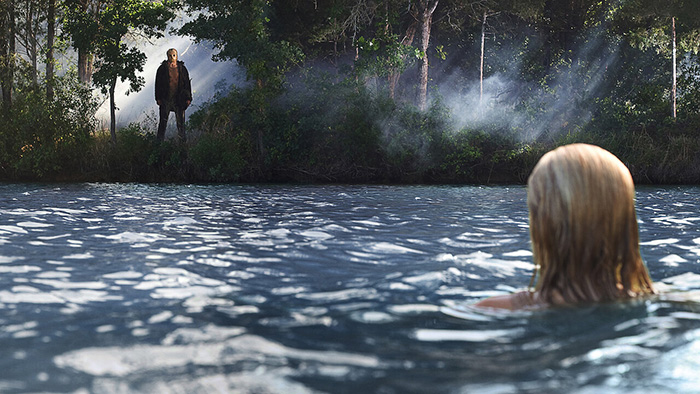
This film went back to basics, receiving an initial X-rating (or was threatened with one) for its original cut, requiring multiple submissions and cuts to reach the final R-rated version released in theaters much like the original. The film featured a faster, more brutal Jason Voorhees, with scenes that were, at the time, considered some of the most violent in the entire franchise.
The Ultimate Irony
By the time the MPAA loosened up, slasher culture had already changed. Audiences had been desensitized. Studios no longer wanted intimacy so when later films try to go a harder R Rating the violence feels gimmicky and emotionally thin. The MPAA never told Friday the 13th what it couldn’t show. It taught it what it couldn’t make you feel. Once the franchise learned that lesson, it never unlearned it.
Bringing the Machete Back Around
The system never disappeared. It just got quieter. Horror learned the lesson first. Everything else followed. The MPAA never censored violence based on extremity. It censored violence based on whether the audience might feel trapped inside it. Its about why modern violence is loud yet hollow. Why discomfort is treated as dangerous. Why intimacy scares institutions more than brutality. And remember…Jason may have worn the mask. But the MPAA was the real slasher.