 Valve recently announced that they are shutting down their Steam Greenlight service. Through this service, developers had to pay a one-time fee to be allowed to put games up on Steam. The Greenlight games were then voted on by the community and those that passed were put up onto the main Steam store. This was, in theory, a great idea. Up until the release of Greenlight in 2012, the only games available for sale on Steam were those either released or hand-picked out by Valve. This initial hand-selection had a major flaw, it overwhelmingly favored large developers without giving much of a fair shake at all to indie game makers. Greenlight was an attempt to level the playing field.
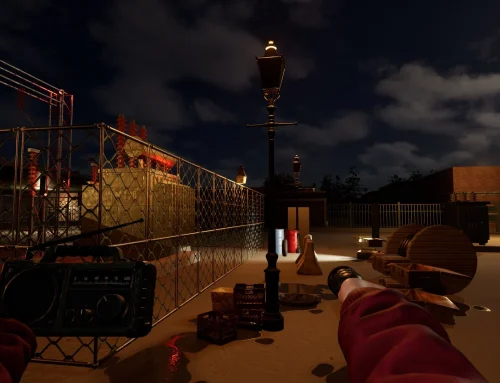
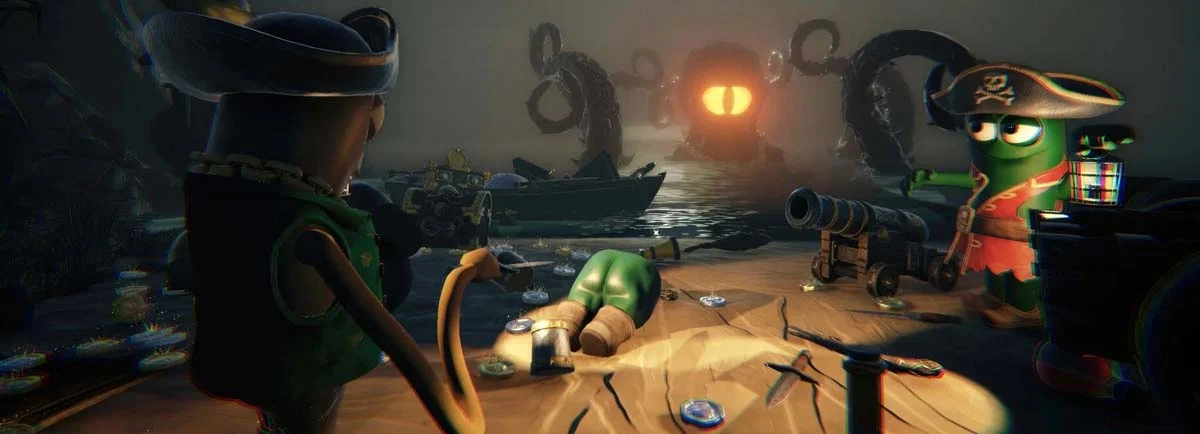
There was one major problem with this, though. There was essentially no more oversight to what was being put up on Steam. Sure, these games were all subject to a community vote, but that really didn’t mean very much as it turned out. Suddenly everyone with access to a Unity toolkit and a hundred dollars was able to put something up for sale on what is perceived as a legitimate and (perhaps more importantly) legitimizing platform. The vote system which was meant to stop this sort of thing turned out not to really make much difference at all. It turns out that people will vote to let just about anything on the store. You may think that I’m exaggerating how bad this problem is, but trust me I am not. Steam was launched in 2003, but 38% of the software available on the store was released just in 2016. Obviously, this sudden massive influx of low-quality content made it incredibly difficult to actually find anything worthwhile in the storefront. Something had to be done.
 So what is Valve going to do? They’re going to phase out Greenlight over the first half of 2017 and replace it with something called Steam Direct. Direct is going to replace the one-time $100 fee with a per-game fee whose price has not yet been announced (estimates vary between $100 and $5,000 per game). The idea here is that having to pay for each individual game will help to stem the tide of shovelware which is currently drowning out the actual worthwhile content.
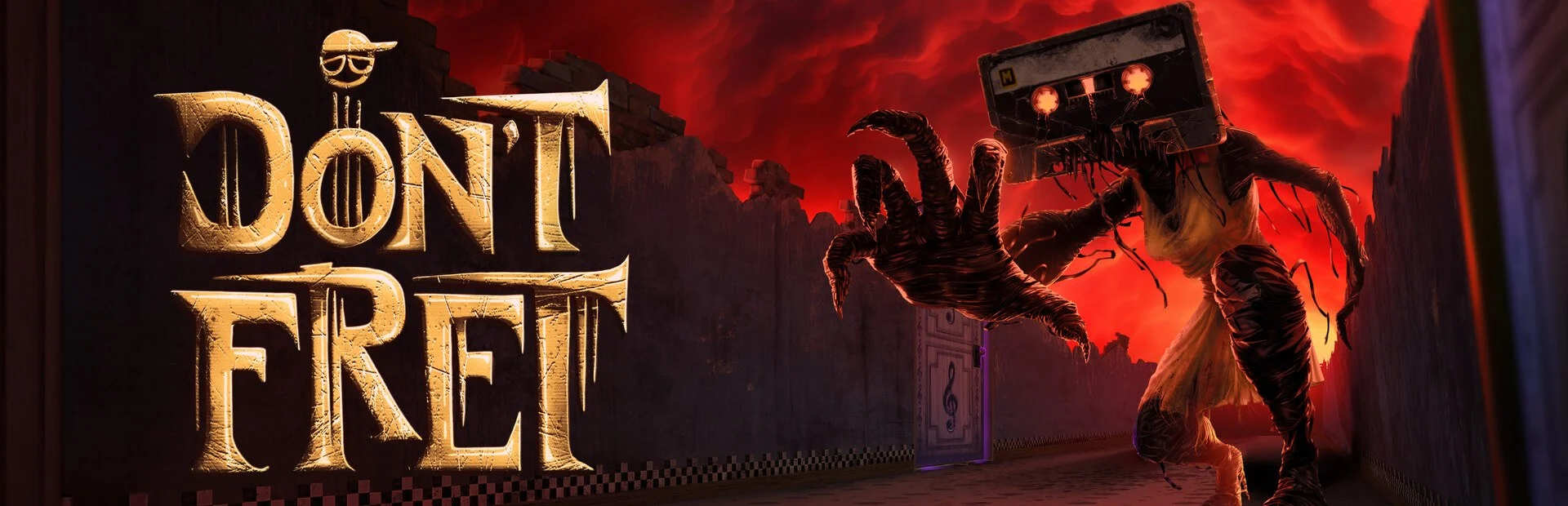
Of course, this is HorrorBuzz so the question is: what does this mean for the future of horror gaming? After all, some of the biggest horror hits of the last few years are little indie games that came completely out of left-field, like “Five Nights At Freddy’s” and “Slender” (to say nothing of my own love of the indie horror of David Szymanski). If the fee for Steam Direct is too high, then we might lose out on some great little indie games like these. However, it does also (hopefully) mean that it will be easier to find actual good games, since in theory the storefront will not be as clogged up with cheap Unity zombie games or attempts to cash in on the popularity of those surprise indie hits. Really, I guess what we need to hope for is that quality designers will have a little more faith in their ability to recuperate the fee than the shovelware developers. I’m cautiously optimistic.