This year’s Sundance Film Festival didn’t just have films by Black women filmmakers in the schedule. The beloved film festival also made room for them to speak their truth on a panel. Presented by SISI x Sundial, Director’s Cut: Black Women in Film took place at The Impact Lounge on Monday, January 26th. The event was hosted by Erica Chidi and included Black women filmmakers across the African diaspora.
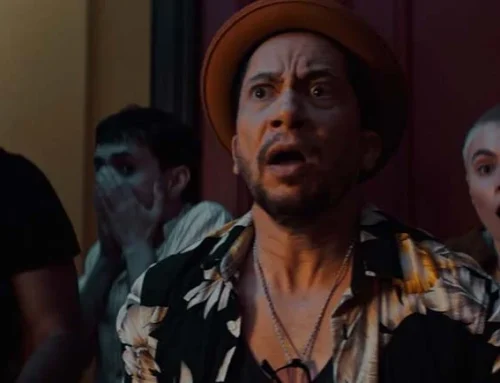
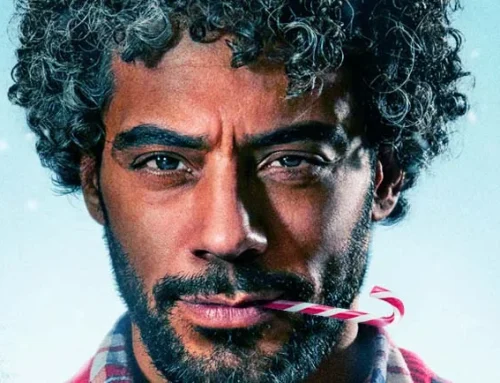
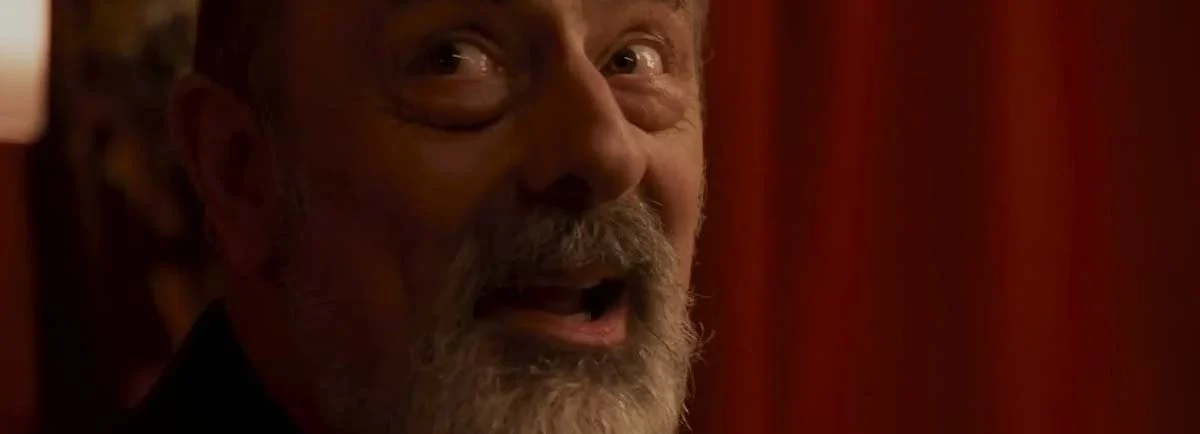
The Director’s Cut: Black Women in Film’s panel was composed of Olive Nwosu (Lady), Praise Odigie Paige (Birdie), Bea Wangondu (Kikuyu Land), and special guest Cheryl Dunye. T. Oluwaseyi Ishola, Research Consultant at The World Bank, led the Q&A for the sold-out event.
The conversation didn’t just stop with their films. Topics ranged from artistic freedom to frustrations with the world and cinema. One that decenters whiteness and celebrates Black women filmmakers who make things in a system stacked against them. The Director’s Cut: Black Women in Film panel was a panel of women who have managed to tell the kind of stories they want to tell. The ones that celebrate culture, beauty, and truth.
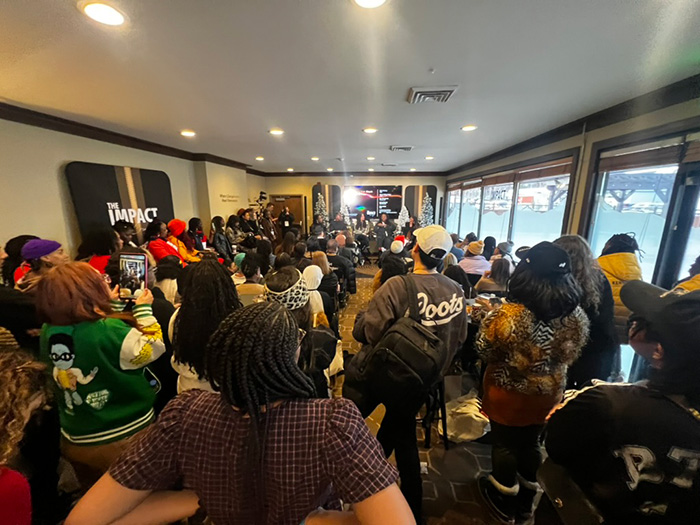
These kinds of spaces are clearly needed for a variety of reasons. Not only was this event standing room only early, but you may have noticed a lack of media coverage compared to panels lacking Black women. These panels are crucial steps toward the alleged changes the industry pretends it wants to make when DEI initiatives are trending. However, unsurprisingly, there are no recordings of this panel making the rounds on the internet. There are no articles in outlets because they made it a priority to track down cis-white male filmmakers to capture them saying nothing of interest.
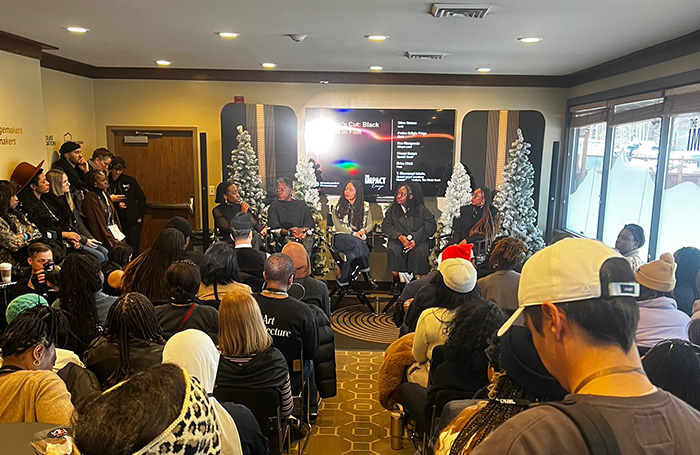
The Director’s Cut: Black Women in Film is so important for a variety of reasons. First, people are too comfortable disrespecting Black women. Secondly, Black women’s contributions are routinely overlooked and downplayed. Look at the way the trades discuss Nia DaCosta’s work in relation to her white male counterparts whose work is less ambitious. Or try asking your friends to name five Black women directors without using Google. This discrepancy isn’t just because of who studios fund versus who they shut out. It’s in part because Black women filmmakers, and their artistry, are treated like they don’t matter. They are not given space, respect, or time, even after they manage to churn out something beautiful in a system that tried to crush their work before inception.
So while most outlets ignored Director’s Cut: Black Women in Film, and the large crowd will be downplayed, it matters. We cannot keep claiming we want these stories and these voices if we cannot do the bare minimum of covering these events. Sundance has given these filmmakers a platform, and a nice portion of their audience braved the weather to see them. As journalists, we owe it the same amount of respect and coverage that people still pretend Eli Roth deserves. Otherwise, these legacy outlets may as well say the quiet parts out loud and stop pretending they value diversity.