

Independent film productions are often built on creativity, flexibility, and a willingness to solve problems in real time. Unlike large studio projects with extensive budgets and dedicated departments for every task, indie productions frequently operate with smaller crews, tighter schedules, and limited resources. While this environment can create exciting opportunities, it also means that seemingly minor logistical issues can quickly affect an entire shooting day.
Most filmmakers spend significant time thinking about cameras, locations, lighting, and talent. However, some of the biggest challenges on independent sets have less to do with storytelling and more to do with maintaining energy, organization, and reliable operations throughout long production days. Keeping equipment running and crew members functioning at their best often determines whether a shoot stays on schedule.
Crew Energy Declines Faster Than Most Producers Expect
Independent productions frequently involve early call times, long shooting schedules, physically demanding setups, and constant problem-solving. While enthusiasm often remains high during the first few days of production, fatigue can gradually affect decision-making, communication, and overall efficiency.
This is especially true when shoots extend across multiple consecutive days. Small factors such as hydration, meal timing, sleep quality, and recovery periods often influence performance more than people initially realize. Someone working to build healthier routines between projects may focus on Medicare-covered nutrition counseling while creating habits that support energy, recovery, and long-term well-being beyond individual productions.
Reliable Power Can Make or Break a Production Day
Many independent productions take place in locations that were never designed to support film crews. Outdoor environments, remote properties, warehouses, temporary sets, and public spaces frequently present power challenges that become obvious only after production begins.
A few missing outlets may not seem like a major issue until cameras, monitors, laptops, charging stations, lighting equipment, and communication devices all need power simultaneously. This is one reason productions working outside traditional studio environments often spend considerable time planning power requirements in advance.
Equipment such as the oscal powermax 3600 may become part of that preparation when crews need dependable portable power for locations where conventional electrical access is limited or unreliable. Having a backup plan for power often prevents small disruptions from turning into costly delays.
Nutrition Often Gets Overlooked During Busy Shoots
Food frequently becomes an afterthought on smaller productions. Crews move quickly between setups, schedules shift unexpectedly, and meal breaks sometimes become compressed when filming falls behind.
The challenge is that poor nutrition choices often reveal themselves later through reduced energy, difficulty concentrating, and slower recovery between production days. Sustainable eating habits become increasingly important for individuals working in physically and mentally demanding environments.
Many experienced crew members eventually learn that consistent meals, hydration, and realistic recovery routines help far more than relying on caffeine and convenience foods alone during long production stretches.
Logistics Usually Matter More Than Equipment
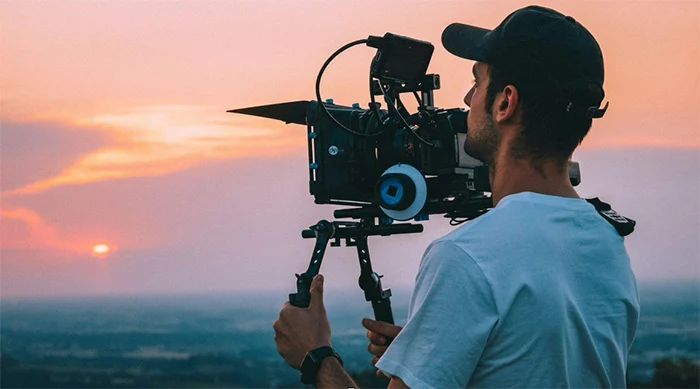
Many filmmaking discussions focus heavily on cameras and technology, but experienced producers often know that logistics determine whether a shoot runs smoothly. Transportation, scheduling, charging plans, weather preparation, backup equipment, and communication systems frequently have a greater impact on production success than upgrading to the newest gear.
Small operational details tend to compound over time. When planning is thorough, crews spend more time creating and less time solving preventable problems throughout the day.
This is particularly important for independent productions where resources are limited and delays can affect the entire schedule.
Recovery Helps Maintain Momentum
Long production periods can create a mindset where every available hour is dedicated to work. While dedication is important, recovery remains equally valuable for maintaining performance across multiple shooting days.
Adequate rest, hydration, movement, and realistic scheduling often help crews remain productive throughout the entire project rather than exhausting themselves early. Productions that respect recovery usually maintain higher energy and better morale as schedules become more demanding.
The goal is not simply getting through one day of filming but sustaining performance for the entire production.
Successful Productions Depend on Preparation
Independent filmmaking will always involve unexpected challenges. Weather changes, technical issues, location complications, and scheduling adjustments are part of the process regardless of budget size.
What separates smoother productions from chaotic ones is often preparation. Reliable power solutions, realistic scheduling, attention to crew well-being, and thoughtful logistical planning create stability when unexpected situations arise.
While audiences ultimately see only the finished film, the success of many independent productions depends on countless behind-the-scenes decisions that keep both equipment and people operating effectively from the first day of shooting to the final wrap.