
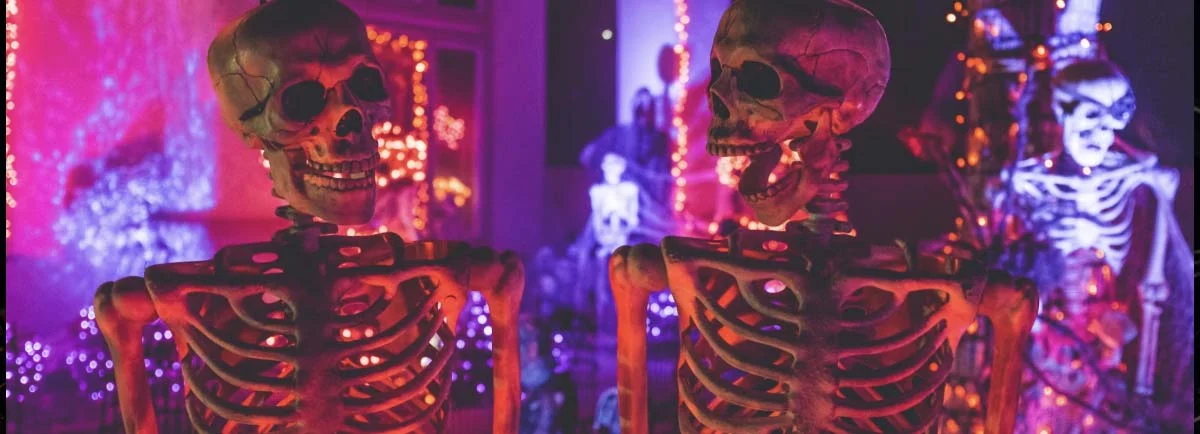
Halloween continues to evolve far beyond its traditional roots. What was once primarily a night of costumes, candy, and neighborhood celebrations has become a multi-billion-dollar cultural and commercial phenomenon spanning entertainment, technology, retail, tourism, and social media. In 2026, the holiday is increasingly shaped by digital innovation, changing consumer preferences, and a growing demand for immersive experiences.
The expansion of social platforms, creator culture, and e-commerce has transformed how people celebrate Halloween. Costumes are now influenced by viral trends, decorations are often designed for online visibility, and events increasingly incorporate advanced technologies to create memorable experiences. At the same time, consumers are becoming more selective about sustainability, personalization, and value.
Economic uncertainty in many markets has also influenced spending patterns. Rather than reducing participation, many consumers are shifting budgets toward experiences that offer greater emotional impact and social engagement. As a result, Halloween 2026 reflects broader cultural trends that extend well beyond the holiday itself.
From AI-enhanced costumes to eco-conscious decorations and immersive entertainment, Halloween is becoming a showcase for some of the most influential consumer trends of the decade.
AI-Powered Costumes and Interactive Wearables Are Going Mainstream
Technology is playing an increasingly visible role in Halloween celebrations. One of the strongest trends in 2026 is the rise of smart costumes that integrate artificial intelligence, LED systems, motion sensors, and augmented reality elements.
Digital communities that discuss entertainment, gaming, and online experiences—including platforms where users encounter topics such as (Turkish: bilinmeyen slot siteleri)—have helped accelerate interest in technology-driven forms of self-expression.
Modern Halloween costumes increasingly feature:
- Programmable LED lighting
- Voice-responsive effects
- Smartphone-controlled animations
- AI-generated visual elements
- Wearable displays
- Interactive sound systems
These innovations allow costumes to become dynamic experiences rather than static outfits.
| Technology | Halloween Application |
| AI Image Generation | Custom costume concepts |
| LED Systems | Dynamic lighting effects |
| Motion Sensors | Interactive animations |
| Augmented Reality | Digital costume extensions |
| Smart Fabrics | Responsive visual effects |
| Mobile Apps | Real-time costume control |
As wearable technology becomes more affordable, interactive costumes are expected to become a standard feature of premium Halloween celebrations.
Pop Culture Continues to Drive Costume Trends
Pop culture remains one of the most powerful influences on Halloween consumer behavior.
Major films, streaming series, viral internet personalities, gaming franchises, and social media trends continue to shape costume demand. The speed at which trends emerge has increased significantly due to digital platforms and global online communities.
The influence of mobile ecosystems and digital entertainment environments—including applications such as melbet uygulama and other widely recognized mobile platforms—illustrates how quickly online trends can shape consumer choices.
Several categories dominate costume demand in 2026:
- Streaming series characters
- Video game icons
- AI-inspired futuristic themes
- Retro nostalgia concepts
- Fantasy and science-fiction franchises
Consumers increasingly seek costumes that balance recognizability with individuality.
This has contributed to the growing popularity of custom-designed outfits rather than mass-produced costume packages.
Immersive Halloween Experiences Are Replacing Traditional Events
One of the most important market developments is the growing demand for immersive entertainment.
Consumers increasingly value experiences over physical products, and Halloween reflects this broader shift.
Popular immersive formats include:
- Interactive haunted attractions
- Escape-room horror experiences
- Mixed-reality events
- Themed live-action role-playing experiences
- Projection-mapped haunted houses
| Event Type | Growth Potential |
| Traditional Haunted Houses | Moderate |
| Immersive Experiences | High |
| Mixed-Reality Attractions | Very High |
| Interactive Horror Events | High |
| Virtual Halloween Experiences | Growing |
These experiences appeal to younger audiences seeking social interaction, shareable content, and memorable entertainment.
As technology costs decline, immersive attractions are becoming accessible to a broader range of organizers and venues.
Sustainability Is Influencing Halloween Purchasing Decisions
Environmental concerns are increasingly affecting seasonal spending behavior.
Consumers are becoming more aware of the environmental impact associated with disposable decorations, fast-fashion costumes, and single-use party supplies.
Several sustainability trends have gained momentum:
- Reusable decorations
- Second-hand costumes
- DIY costume creation
- Biodegradable party supplies
- Energy-efficient lighting
- Recycled materials
Many retailers have responded by expanding eco-friendly product lines.
| Consumer Preference | Market Response |
| Reusable Products | Durable decorations |
| Reduced Waste | Sustainable packaging |
| Ethical Production | Transparent supply chains |
| Energy Efficiency | LED lighting solutions |
| Local Purchasing | Regional sourcing initiatives |
Sustainability is no longer a niche consideration. It has become a mainstream factor influencing purchasing decisions across multiple consumer categories.
Social Media Is Redefining Halloween Creativity
Halloween has always encouraged creativity, but social media has amplified this aspect dramatically.
Platforms focused on short-form video, visual storytelling, and live content have transformed Halloween into a global showcase of creativity.
Several content-driven trends stand out:
- Transformation videos
- Costume tutorials
- Special effects makeup content
- Home decoration reveals
- Interactive livestream events
Benefits of social media-driven Halloween culture include:
- Increased creative inspiration
- Faster trend dissemination
- Greater participation
- Global cultural exchange
- Enhanced community engagement
The pursuit of shareable content has influenced everything from costume design to event planning.
In many cases, visual impact is now considered just as important as the celebration itself.
Halloween Spending Is Becoming More Strategic
Consumer spending remains strong, but purchasing behavior has become increasingly deliberate.
Rather than maximizing volume, many households are focusing on:
- Higher-quality costumes
- Premium decorations
- Personalized experiences
- Family-oriented activities
- Technology-enhanced products
Several economic factors are influencing these decisions:
- Inflation awareness
- Value-focused spending
- Experience prioritization
- Digital comparison shopping
- Flexible budgeting strategies
Consumers increasingly research purchases in advance, compare options across multiple channels, and seek products with broader utility beyond a single event.
This shift favors brands capable of delivering both creativity and long-term value.
The Rise of Hybrid Physical-Digital Celebrations
Another emerging trend is the blending of physical and digital experiences.
Halloween events increasingly incorporate:
- Virtual participation options
- Livestream components
- Digital costume contests
- Augmented reality interactions
- Online community engagement
The distinction between online and offline celebrations continues to blur.
Several forecasts suggest future Halloween experiences may include:
- AI-generated interactive characters
- Personalized digital storytelling
- Smart home horror environments
- Fully immersive mixed-reality attractions
- Expanded virtual social events
These developments reflect broader technological trends influencing entertainment and social interaction.
The holiday is becoming a testing ground for new forms of experiential engagement.
Halloween 2026 represents a fascinating intersection of technology, creativity, sustainability, and consumer behavior. Smart costumes, immersive experiences, social media-driven trends, and environmentally conscious purchasing decisions are reshaping how people celebrate one of the world’s most recognizable seasonal events.
What makes this transformation particularly interesting is the balance between tradition and innovation. Core Halloween themes—costumes, storytelling, community, and imagination—remain intact, even as new technologies introduce entirely new ways to experience them. The holiday continues to evolve without losing its essential identity.
Looking ahead, artificial intelligence, augmented reality, wearable technology, and immersive entertainment are likely to play an even greater role in future celebrations. As consumer expectations continue to shift toward personalization and interactivity, Halloween may increasingly become one of the most technologically innovative and culturally influential seasonal events of the year.
