Ancient curses still do a lot of work in horror because they get to the fear fast. You do not need a long setup to understand the danger. It mixes mystery, punishment, and the feeling that something old is waiting to strike back.
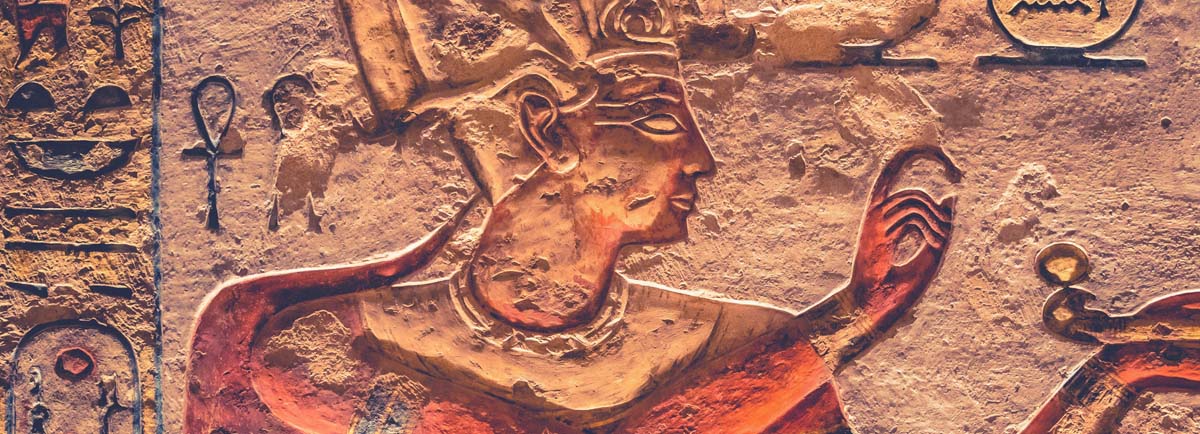
You can see that same pull in horror-themed casino spaces too. On Betway casino, titles such as Book of Dead use tombs, hidden chambers, and cursed treasure to create mood before the first spin even starts. Betway gives a clear example of how ancient Egypt still works as a horror shortcut. The setting tells the story almost instantly: someone opened the wrong door, touched the wrong object, and now the past is not staying buried.
The curse is simple, and that helps
Horror works best when the threat is easy to read
That is one reason ancient curse stories last so long. The rules are clear even when the full story is not. A person breaks a boundary. A force answers back. The audience understands the risk right away.
That matters in games, especially shorter or more visual ones. A horror theme does not have much time to explain itself. It needs strong symbols. Ancient curses are full of them: tomb walls, relics, gold, dust, shadows, and the idea that wealth comes with a price. You do not need pages of lore to feel the tension.
Ancient settings carry built-in fear
Old places feel dangerous in a very specific way
A haunted house feels personal. A cursed tomb feels older and harder to control. That difference matters. Ancient horror suggests that the danger was there long before the player arrived, and it will still be there after. That gives the setting weight.
Book of Dead works from that exact idea. It does not need modern monsters or complex backstory to feel ominous. It leans on a setting people already know from horror films, adventure stories, and pop culture. The result is familiar, but still effective. And in casino-style games, that kind of instant recognition matters because the theme has to land quickly.
Horror themes help a game stand out
Players still respond to strong identity
A game also needs a look and feel that people remember. More than 205 million Americans play video games. That means publishers are competing for attention in a crowded market.
And attention does not come from visuals alone. Gameplay is the top reason players choose and stay with favorite games, ahead of graphics. But that does not make the theme unimportant. It means the strongest concepts are the ones that support the experience instead of replacing it. A cursed-tomb theme does that well because it gives the game a clear identity without slowing it down.
That is part of why ancient curse imagery keeps showing up. It is easy to read on a small screen. It gives art, sound, and symbols a shared direction. And it can make a simple format feel more like a story.
The fear is not just death. It is consequence
Curses punish greed, curiosity, and arrogance
Here is the thing. Ancient curses are rarely random. They usually carry a lesson. Someone wanted treasure, power, or forbidden knowledge, and the punishment followed. That moral shape is useful in horror because it gives the fear a reason.
That same structure fits casino-themed horror especially well. These games already deal in risk, reward, and chance. So when they borrow curse imagery, the match feels natural. The danger is not only supernatural. It is tied to desire. Open the chamber, take the gold, press your luck. That is why the theme feels more connected than a generic monster skin would.
Familiar horror still has value
Not every horror idea needs to be new
Ancient curses are not fresh in the strict sense. People have seen mummies, relics, and buried temples for years. But horror does not always need a brand-new idea. It needs a strong idea used clearly.
So when a game like Book of Dead shows up on Betway, the appeal is easy to understand. It is not just using old imagery for decoration. It is using one of horror’s most reliable tools: the fear that some doors stay closed for a reason.
