
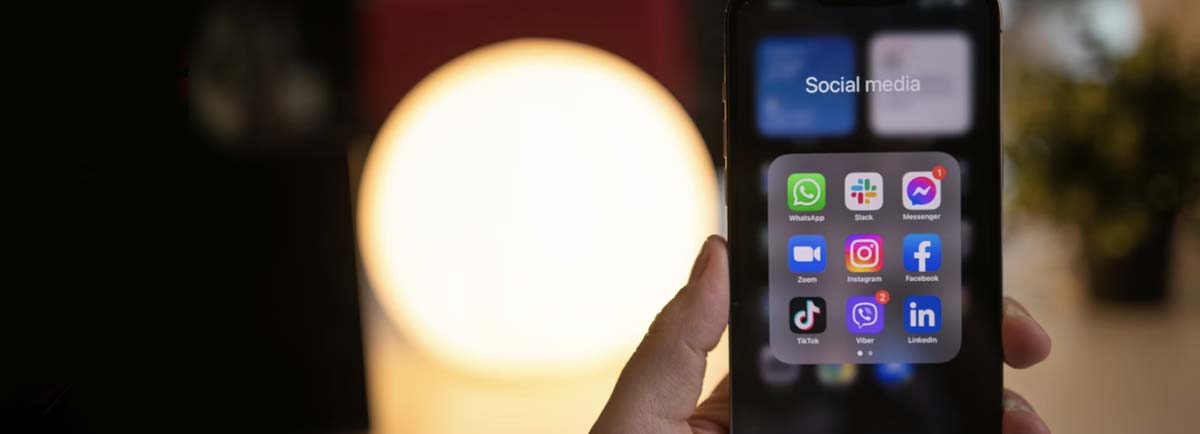
Youth internet culture in Nepal in 2026 is fast, layered, and difficult to divide into neat categories. Social media is part conversation space, part mood board, part news feed, part entertainment machine. Streaming is no longer only about long viewing sessions. Gaming is no longer just gaming; it lives alongside sports clips, influencer reels, memes, creator commentary, and the small bursts of interaction that fill everyday spare time. The latest Nepal digital snapshot shows 16.6 million internet users, 14.8 million social media user identities, and 32.4 million mobile connections, with a median age of 25.3. That demographic picture helps explain why online culture feels especially youth-led right now.
The most important change is not simply more screen time. It is that digital identity is now assembled through repeated, visible choices: what gets shared, what gets clipped, what gets joked about, what gets saved, and which apps stay on the first screen. Internet culture is no longer a side layer on top of ordinary life. For many young users, it is where social tone gets set first.
Social media now organizes attention
A lot of youth culture begins with the feed. One short reel can launch a conversation, a fashion cue, a gaming trend, or a new phrase that spreads into group chats by evening. Annapurna Express reported in late 2025 that urban youth in Nepal were highly engaged with reels, influencer content, gaming, and sports, which is exactly the kind of overlap that defines 2026 internet culture too. The feed does not separate those things. It mixes them until they begin to feel like one environment.
That is why internet culture now shapes offline behavior so easily. A creator’s gym look becomes a shopping reference. A football clip becomes a meme. A gaming room setup becomes a lifestyle cue. A soundtrack from a trending video turns into the background of a casual story post. These are small acts, but together they create a recognizable digital atmosphere.
Streaming became part of the daily rhythm
Streaming also changed character. It still includes long-form watching, but much of youth behavior now revolves around shorter, repeatable pieces: highlights, reaction clips, live moments, commentary bursts, and quick creator-led videos. That is one reason live sports remain so important. Major events create common reference points that young audiences can keep returning to all day.
The sports calendar is doing that right now. UEFA’s 2025/26 Champions League round of 16 runs on 10/11 and 17/18 March 2026, while Nepal’s participation in the ICC Men’s T20 World Cup 2026 helped keep cricket fully inside the digital conversation earlier this year. When events like these hit, online culture becomes louder, faster, and more communal.
Gaming communities borrow from social media, and vice versa
Young users do not treat gaming as a sealed-off hobby. It overlaps with influencer culture, humor, sports talk, and identity. Games are played, but they are also discussed, streamed, screen-recorded, and turned into shared references. This matters because it changes what counts as participation. Watching, reacting, and joking can be just as central as actually playing.
The phone is what makes this blend work so smoothly. In Nepal, Android held 77.69 percent of mobile OS share in February 2026, which helps explain why app-based youth culture feels so broad and accessible. When the same device carries the stream, the chat, the clip, and the game, digital culture stops feeling fragmented.
Spending behavior follows convenience and mood
Young audiences do not always think in terms of “digital spending behavior,” but platforms are shaped by it anyway. Subscriptions, in-app payments, gaming top-ups, and entertainment purchases become easier to normalize once the payment layer feels simple. Nepal’s NRB indicators show heavy use of QR payments, mobile banking, and other digital channels, which means the financial side of online life is increasingly built into everyday phone use. That makes youth internet culture more participatory, because access and transaction no longer feel like separate worlds.
Where youth culture meets interactive entertainment
Fast-play platforms suit the same cultural rhythm
That is one reason the term online casino nepal can sit naturally inside a broader discussion of youth-driven entertainment. Casino-style platforms fit the same behavioral pattern that already shapes social feeds and mobile gaming: short sessions, strong visuals, immediate feedback, and easy re-entry after interruption. For users used to moving quickly between video, chat, and games, this kind of entertainment does not feel structurally unusual. It simply offers another interactive format inside the same mobile rhythm.
The point is cultural rather than promotional. Youth internet culture rewards platforms that are easy to start, visually clear, and responsive to short attention cycles.
Sports apps become part of lifestyle as well
The same logic helps explain the neat fit of free betting app in nepal into the 2026 picture. Young sports fans already live in a world of lineups, live scores, prediction threads, and performance debates. A betting app extends that environment by adding markets, live movement, and app-based interaction to habits that are already there. It belongs to the same ecosystem as the clip, the scoreboard, and the post-match argument.
That is why sports betting now looks less like a niche corner of the internet and more like one branch of a larger youth entertainment culture built around speed, timing, and mobile access.
Youth internet culture now runs on overlap
Perhaps the clearest feature of Nepal’s youth internet culture in 2026 is overlap. Social media feeds shape what feels current. Streaming decides what everyone is talking about tonight. Gaming offers interaction. Sports create shared emotional peaks. Payments make participation easier. Interactive platforms tie the whole thing together.
That is why the culture feels so active even when individuals are only dipping in for a few minutes at a time. The pieces connect. A reel leads to a chat, a chat leads to a clip, a clip leads to a game, and the game leads back into the feed. In 2026, that loop is not just entertainment. It is one of the main ways young people build tone, community, and everyday digital identity.
