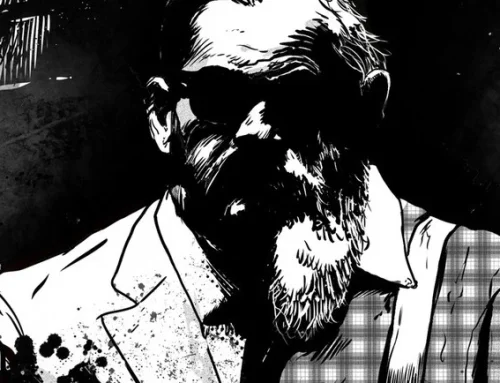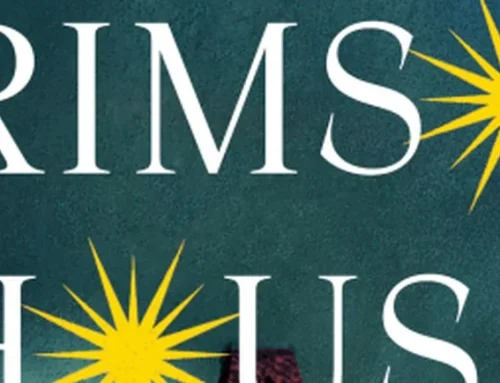
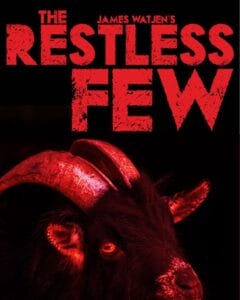
Father Thomas Abner believes he was chosen. Chosen to shepherd souls, chosen to cleanse the world of its sinners—chosen, perhaps, to hear the secret voice that rattles inside his skull at night. In James M Watjen’s new novella The Restless Few—arriving Friday the 13th of June—Abner’s spiritual calling mutates into something feral, dragging readers through a confessional drenched in blood and doubt.
Watjen is no stranger to unsettling interiors. His debut, The Vermin Sleep, fused Midwestern decay with body‑horror grit and found its way onto genre blogs and Rue Morgue’s online pages. Then came a leap to film: a micro‑budget short that won him Best First‑Time Director at the 2024 Chicago Horror Film Festival. Cinematic urgency pulses under every sentence he writes; you can feel it here, in a story scarcely 140 pages long yet thick with incense and guilt.
“Mental health and religion sometimes clash over who decides what ‘sanity’ means,” Watjen says in a note to reviewers, explaining how his priest protagonist shoulders grief, doctrine, and a brain on the brink. Instead of casting demons as external invaders, the author turns Father Abner into both vessel and antagonist—an unsettling echo of real‑world headlines where untreated trauma hides behind collars, pulpits, or therapists’ couches.
Early readers reach for heavy comparisons. Author Patrick Barb tags the novella as Taxi Driver by way of The Exorcist, while Goodreads critic Shannon Reviews predicts it will convert even skeptics of religious horror. That praise doesn’t stem from extravagant exorcism scenes or pea‑soup theatrics; Watjen’s horror isn’t loud. It creeps. It sits in the pew behind you, whispering that the man dispensing absolution might be planning your absolution—by knife.
The prose is as lean as Lent. Scenes flicker between Father Abner’s trauma‑laced memories and his present‑day ministry, each flashback tightening a screw. Parishioners seek comfort; he glimpses cleansing fire. Choirs sing; he hears shrieking choruses demanding tribute. By the novella’s midpoint, the reader is no longer sure which version of events is real. Neither is Abner. That blurred boundary drives the book toward a finale so catastrophic even Watjen warns, “This is not for the faint of faith.”
Yet beneath the dread lies empathy—an insistence that unchecked grief, untreated illness, and spiritual pressure can push anyone to a precipice. Watjen doesn’t excuse Father Abner’s violence; he exposes the cracks that widen when communities revere piety but ignore pain. It’s the same thematic risk indie horror often takes while mainstream thrillers play safe.
Releasing through boutique imprint Anuci Press, The Restless Few also underscores why supporting small‑press horror matters. These houses give authors room to court controversy, to splice scripture with slaughter without a marketing committee sanding off the rough edges. When you buy indie, you’re not just acquiring a paperback—you’re funding the next uncomfortable conversation the genre needs to have.
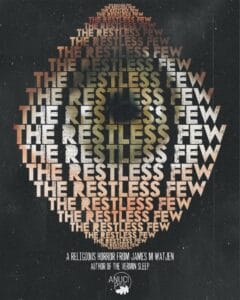
If your summer reading list could use a dark sacrament, circle June’s unluckiest Friday and prepare to enter Father Abner’s sanctuary. Let the incense burn. Feel the pews creak. And ask yourself: when faith fractures, whose prayers go unanswered first?
The Restless Few launches June 13 in paperback and eBook via Bookshop.org, Amazon, Barnes & Noble, and select indie stores. Follow the author’s continuing descent into holy terror at JamesWatjen.com.