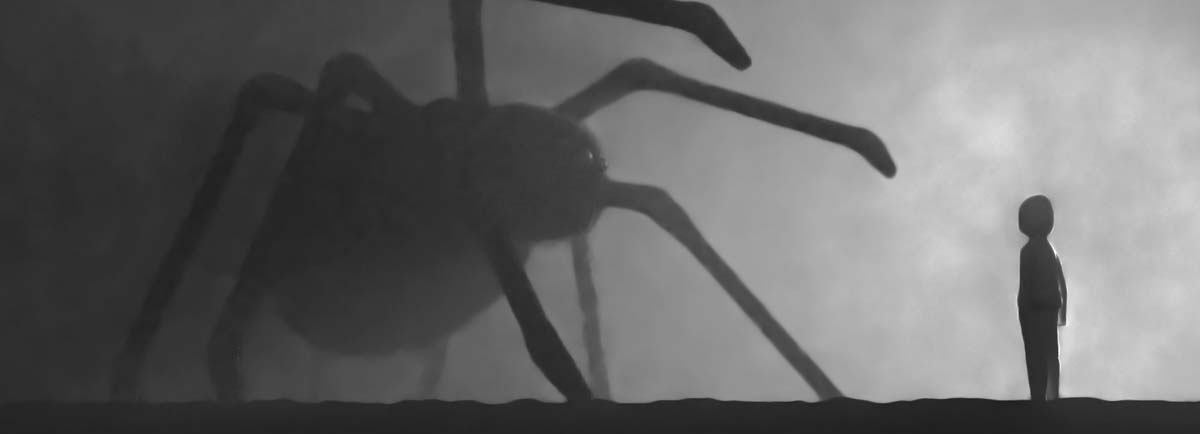
The real power of horror is not always the scare itself. It is the build-up. The creaking floor. The dark hallway. The second where someone hears a noise and freezes. Your mind starts racing before anything even happens. And a lot of the time, that is the part that hits hardest.
You can see that same pattern in suspense-based and casino games too. A number bet is built around a quick decision and a short wait for the outcome. Casino games might sound very different from horror at first, but emotionally, the structure is close. On Betway, the appeal of number-based play comes from anticipation. You choose, you wait, and for a moment you are stuck in that same space horror uses so well: the space where you do not know what comes next.
Horror Lives in the Gap
What you do not see matters most
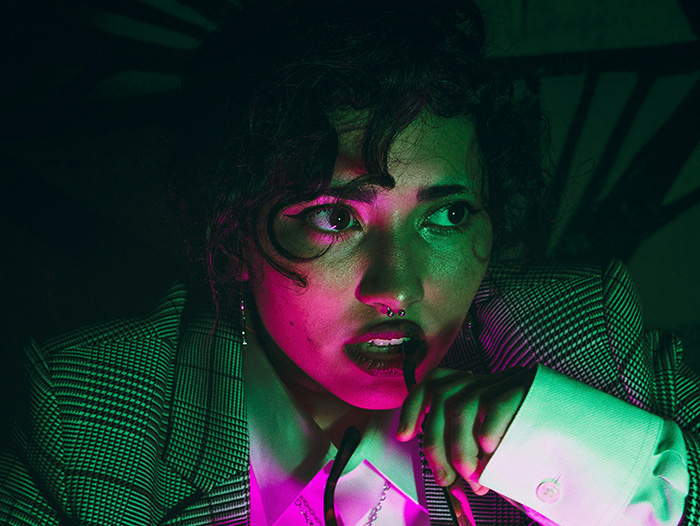
Most horror fans know this already. The scariest moment is often not the reveal. It is the pause before it. A hallway looks empty. A basement door moves a little. Someone in the movie hears something and stops talking. That gap between calm and impact is where horror does its best work.
Good horror directors understand that fear grows when the audience has to wait. They stretch time. They slow movement. They leave room for the imagination to do extra work. And the imagination is usually meaner than anything shown on screen.
Casino games use a much lighter version of that same pause. A wheel spins. A number settles. A card turns. A slot round stops one symbol at a time. Nothing scary is happening, of course, but the emotional rhythm is familiar. The result is close, but not here yet. That small delay is what keeps attention locked in place.
That is also why simple setups can work so well. You do not need a giant monster or a complicated backstory. You need tension, uncertainty, and a clear feeling that something bad could happen at any second.
Why Uncertainty Feels So Strong
The brain wants closure
People are not great at sitting with uncertainty. We want answers. We want the noise explained. We want the masked figure unmasked. We want to know who survives. In online casino play, people want to know where the spin lands or whether the next round changes the result. Horror delays that relief on purpose and suspense-based games do something similar in a much shorter, faster way.
That delay creates attention. It keeps the body alert. It makes small details feel bigger than they are. A flicker of light matters more. A pause in dialogue feels loaded. And when the answer finally comes, the release hits harder because the tension had time to build.
This is one reason horror keeps pulling people back. The format is simple, but the feeling is reliable. Fear is immediate. Suspense is sticky. And the unknown keeps the audience engaged longer than a fully explained threat ever could.
Live fear is built on anticipation
The same pattern in all kinds of entertainment. Casino and betting formats depend on suspense. A person places a bet, waits for the result, and sits in that short stretch where the outcome is still unknown. The setup is different, but the feeling is familiar. It is the same basic pull that horror uses so well. People stay engaged when there is a pause, a question, and the sense that something is about to happen.
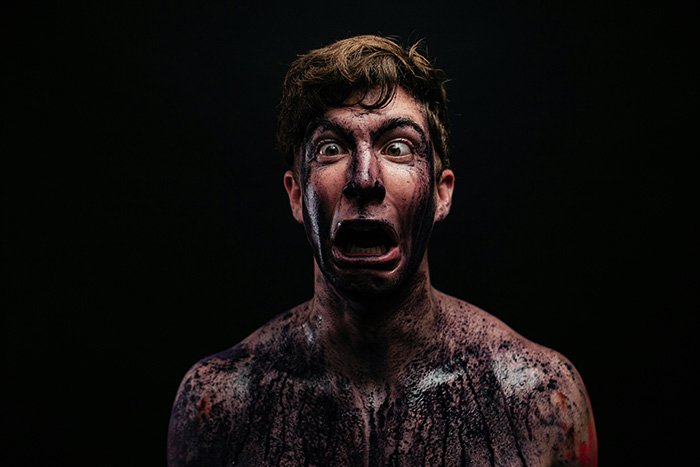
Casino games are built on a similar kind of controlled wait. The player knows there will be an outcome, but not what that outcome will be. That is the core of roulette-style play, number games, card games, slots, and other casino formats based on chance.
This is true in haunted attractions too, maybe even more than in film. When you are the one walking through the set, every sound feels closer. A dark corner feels more loaded. A light flicker can be enough to make people tense up. By the time the scare arrives, the atmosphere has already done most of the work.
That helps explain why horror still performs so well in different forms. Screen horror still keeps people engaged, and live attraction spaces are also growing with more immersive ideas and year-round concepts. The reason is pretty simple. Horror does not depend on one format. It depends on suspense, and suspense travels well.
Why People Keep Coming Back
Fear feels controlled
Here is the thing. Most people do not want real danger. They want the feeling of danger in a controlled setting. Horror gives them that. So do other suspense-based formats. The setup says, “This might go badly,” while the real-world risk stays limited.
That balance is powerful. It lets people test their nerves. It gives them a quick emotional spike and then a release. And because the outcome is never fully certain at the start, the experience stays fresh even when the structure is familiar.
That is why horror survives every trend cycle. The setting can change. The monster can change. The platform can change. But fear of the unknown always works. It worked in haunted houses, in slashers, in screen-life horror, and in live attractions. It also works in short-form casino games that are built around timing, chance, and the wait for resolution.
The Pull Never Really Changes
Suspense is the real engine
People often talk about horror as if it is only about blood, monsters, or jump scares. But that misses the main point. Horror is really about tension. It is about the space between question and answer. Casino games have their own version of that space. These are small moments, but they carry the same basic feeling.
And that is what keeps people hooked. Not certainty. Not comfort. The unknown.
