
Some horror scenes do not scare because something jumps. They scare because the room changes temperature. The best ones leave a bruise: a sound outside a tent, a body moving wrong, a face caught too long in bad light. Recent fan debates keep circling the same lesson: modern horror works best when it borrows patience from the classics and violence from the nervous system.
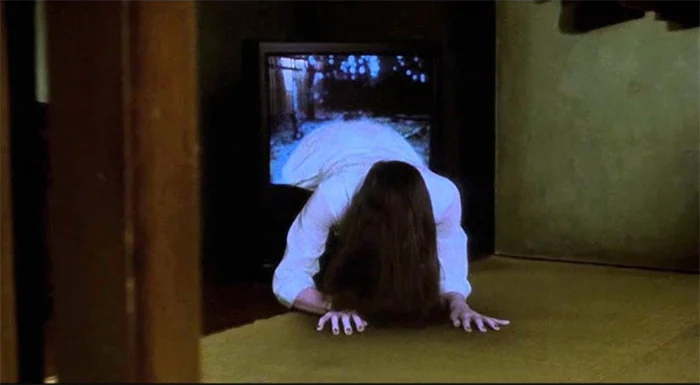
Ringu: Sadako Crawls Out of the Screen
Hideo Nakata’s Ringu remains the cleanest nightmare machine in modern horror. The scene is almost insultingly simple: a television, a well, a dead girl, a room that suddenly feels too small. Sadako does not sprint. She crawls.
That is why the scene still beats louder than any other movie. The image breaks the border between screen and viewer. Japanese horror had already mastered silence, grief and cursed objects, but Ringu made technology feel infected. Every later viral-horror movie owes it money.
The Blair Witch Project: The Corner
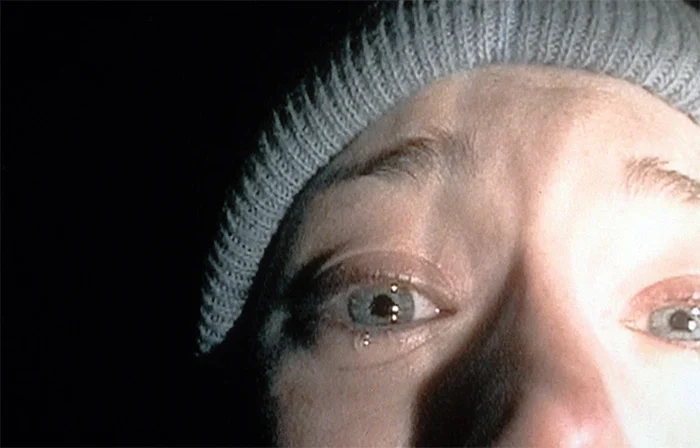
The Blair Witch Project turns almost nothing into panic. Its final scene gives viewers a basement, screaming, bad camera movement and a man standing in the corner. That is all. It is enough.
The genius sits in what the film refuses to show. By the time Heather drops the camera, the audience has already built the monster internally. The earlier tent sequence, with strange children’s voices outside in the dark, may be even crueler. No face. No explanation. Just sound, trees and adults reduced to breath.
Hereditary: The Car Ride No One Escapes
Ari Aster’s Hereditary did not need a demon to become infamous. The car scene works because it cuts from shock to silence and then makes the audience sit inside that silence. Peter does not scream. He drives home, parks, gets into bed and waits for the house to discover the truth.
Modern horror fans still mention this sequence because it feels morally radioactive. It is not a jump scare; it is consequence. Toni Collette’s grief the next morning turns the film into something worse than supernatural horror. The haunting starts after the accident, but the wound is already fatal.
Skinamarink: The House Becomes a Trap
Skinamarink is divisive, which is part of its power. Some viewers find it slow. Others say it recreates childhood fear better than almost anything released in the 2020s.
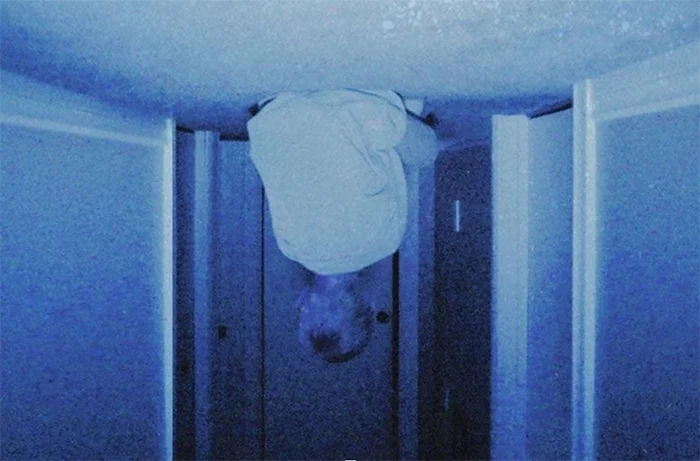
Its scariest moments barely behave like scenes. A dark hallway. A ceiling. A television muttering into the night. The terror comes from broken domestic logic: doors vanish, parents disappear, and the camera keeps staring where a child would stare. The movie does not chase the viewer; it abandons them.
Horror audiences now track fear almost the way sports fans track momentum: heart-rate lists, Reddit arguments, festival buzz, streaming chatter and word-of-mouth spikes. That prediction habit also shapes wider entertainment routines, where MelBet sits beside match stats, live markets and short mobile sessions. The useful comparison is not about horror itself turning into gambling; it is about people reading patterns before an event. Bankroll control matters in betting for the same reason restraint matters in horror: the rush loses value when every moment is treated as a guaranteed hit. Fear and odds both punish overconfidence.
Talk to Me: The Party Game Goes Too Far
Talk to Me understands a brutal modern truth: young people will turn anything into content until it turns back on them. The early possession scenes are funny, reckless and nasty. Then the Riley sequence arrives, and the room stops having fun.
That scene works because the rules were already explained. Hold the hand. Say the words. Stop before the line. Horror loves a rule, then loves watching someone break it. Talk to Me makes possession feel social, addictive and embarrassingly plausible.
Host: The Zoom Call That Should Have Ended
Host should not have worked as well as it did. A horror film set inside a video call sounds like a pandemic gimmick. Instead, Rob Savage built one of the tightest screen-horror experiments of the decade.
The chair pull remains its killer moment. It is quick, crude and perfectly timed. The scene also understands online space: lag, bad audio, frozen faces, people talking over each other. Technology does not save anyone. It only keeps the fear connected.
Sports betting content has developed a similar appetite for timing, live reaction and fast interpretation. Fans do not just watch a game; they read odds movement, injuries, lineups and momentum swings while the event is still breathing. In that rhythm, Parimatch sports betting is driven by data rather than blind guessing. The responsible player treats every market as a probability problem, not a promise. Horror teaches the same lesson in a darker costume: the person who thinks they understand the pattern is usually next.
Smile: The Face That Ruins the Room
Smile turned one expression into a weapon. The birthday-party sequence is the one most viewers remember, partly because it weaponizes public embarrassment before the scare lands. The horror is not only the image. It is the social setting.
That is the trick. A smile should signal safety. Here, it becomes infection. By repeating that expression across ordinary spaces, the film makes buses, hospitals and family rooms feel compromised. The monster wins because it looks human from across the room.
When Evil Lurks: The Dog Scene
Demián Rugna’s When Evil Lurks is not polite horror. The dog scene is fast, savage and hard to shake because it invades a normal household rhythm. A child, a pet, an ordinary room. Then the world snaps.
Recent horror often gets accused of overexplaining itself. This film does the opposite. It throws viewers into a rural demonic outbreak where rules exist, but panic keeps breaking them. The terror comes from contamination. Once evil enters the frame, nobody seems protected by innocence, reason or timing.
Why These Scenes Keep Winning
The scariest scenes of recent horror culture share one quality: they leave space for the viewer to finish the damage. Ringu gives the ghost a path into the room. Blair Witch leaves the monster off-screen. Hereditary makes shock sit in silence. Skinamarink removes the exits. Talk to Me turns peer pressure into ritual. Host makes technology useless. Smile corrupts the human face. When Evil Lurks makes safety feel childish.
The best horror scene does not end when the cut arrives. It waits in the hallway after the movie is over.