In May 2026, Universal confirmed that Ryan Coogler’s Sinners would become a Halloween Horror Nights house at its Orlando and Hollywood parks, with the film’s Club Juke setting rebuilt for live guests. The announcement made a broader point about horror: fans now expect stories to move across screens, games, and themed experiences with very little fuss. Film gives them the characters. Entertainment platforms give them the rules.
Online casinos operate within the same culture of themed choice. A player can open a slot based on monsters, ancient curses or haunted hotels, then move to a live game that feels closer to a studio show. The format draws on pop culture because players recognise those cues quickly. A dark corridor tells one story. A masked figure tells another. The trick for operators involves tone, pacing and clear rules, rather than a lazy, scary face on a reel.
Horror fans also tend to know when a theme has earned its place. Comparison sites like Casino.org help here because they provide structure in a busy market: licences, payment rules, bonus terms, and game categories all need checking before anyone spends money. That can feel like the dull bit before the good bit, but horror fans already understand the value of reading the warning sign on the door. Players looking at sweepstakes casinos can use rankings to compare social play models, prize rules, and offer details, including the best sweepstakes options at Casino.org, before choosing an iGaming site that fits their budget and taste. A good list won’t make a haunted game better, but it can help players avoid a bad fit.
Horror gives casino design a ready-made language
Horror works well in online casino design because it provides players with instant cues. A vampire game can use castles, red light and slow reveals. A zombie game can use waves, bonus rounds and survival-style tasks. A haunted-house theme can turn each room into a feature, which suits slots because each spin already carries a small reveal.
That design has commercial logic behind it. The American Gaming Association reported that U.S. commercial gaming revenue reached $78.72 billion in 2025, up 9.2 per cent from the year before. A market that large needs variety. Horror gives studios a bank of familiar ideas without asking players to read a rulebook before the first click.
The film world supplies proof of appetite. Five Nights at Freddy’s earned $291.49 million worldwide in 2023, after starting life as a game about a night guard and hostile animatronics. That path from game to film matters because it shows how horror audiences accept interactive formats. They like rules, pressure and small choices. Online casino teams have noticed.
Horror themes turn rules into entertainment
A good horror-themed game needs more than a skull on the loading screen. It needs clear stakes in the game sense: what a bonus round does, how free spins work and where the risk changes. For a new player, “volatility” means how often a game tends to pay and how large those wins can be. High volatility can mean longer dry spells, so a player should check the paytable before taking part.
This is where horror and casino design share a practical habit. Both train the audience to watch the details. In a film, a locked door may count later. In a slot, a symbol may trigger a round. Rocky Horror turned audience response into part of the event, and its 50th anniversary release in 2025 showed how durable interactive viewing can be. Online games borrow that spirit when they invite players to tap, choose and react.
Haunted attractions prove the same point outside the screen. Universal’s Halloween Horror Nights has run for decades, and the 2026 Sinners house shows how horror properties now move into ticketed, timed experiences. Online casinos use a smaller version of that approach. A themed game can create a guided sequence, then attach clear payouts to each step. That keeps the fun attached to the rules.
Pop culture helps players sort choices
Horror branding also helps players decide what they want. Some people prefer gothic art and slow tension. Others want creature features, camp icons or bright monster comedy. That taste filter has value in a casino lobby because hundreds of games can look alike after ten minutes. A strong theme gives the player a first cut before the maths begins.
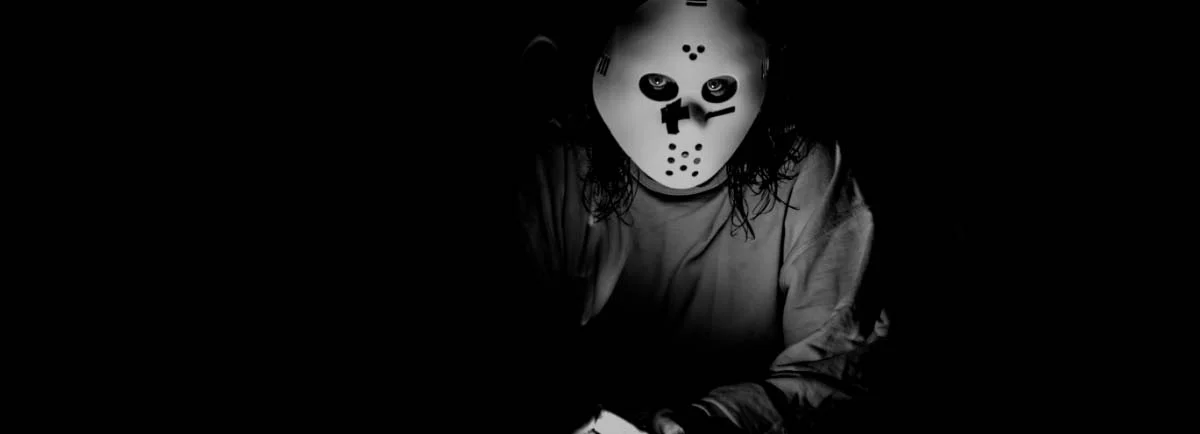
The same idea explains why long-running horror figures keep moving into new formats. Jason Voorhees began in Friday the 13th, then crossed into games and other media, with the character appearing in titles such as Mortal Kombat X and MultiVersus. Online casino themes draw from that same fan habit. A recognisable figure can reduce friction because the player already understands the tone.
Responsible choice still comes first. In Great Britain, the Gambling Commission recorded 37 per cent online gambling participation in the past four weeks for its Year 2, Wave 4 survey, falling to 17 per cent when lottery-only players were removed. That shows how common online play has become, but it also shows why clear information counts. A horror theme can entertain. The terms decide whether the game deserves your time.
For fans of scary films, the appeal comes from control. You can step into a theme, learn its rules and leave when you choose. For casino players, that last part needs respect. Set a budget, check licence details and read bonus terms before play. Then the theme can do its job: give the session colour, pace and a bit of bite, without turning entertainment into guesswork.
